Plant biodiversity promotes nitrogen removal in wetlands
 Photo: shankar s. Attribution 2.0 Generic CC BY 2.0 Deed
 Greater plant diversity is positively correlated with the process of transforming nitrites and nitrates into nitrogen gas released into the atmosphere, according to a Chinese study. This discovery could contribute to planning the restoration of wetlands
by Matteo Cavallito
By regulating the global nitrogen cycle, wetland ecosystems help reduce nitrogen dispersion and, consequently, soil eutrophication and water pollution. Contributing to this reduction is plant biodiversity, which impacts the retention and removal of nitrogen. This is according to researchers from the Chinese Academy of Sciences in a study conducted at the Wuhan Botanical Garden. Here, they explain, greater plant diversity has increased soil nitrogen and dissolved organic carbon levels over time, while reducing the level of nitrates.
The research
“Although nitrogen (N) cycling processes are fundamental to the functioning of wetland ecosystems, the effects and underlying mechanisms of plant diversity on soil N cycling remain insufficiently understood,” says the study published in the journal New Phytologist.
To understand these dynamics, the authors conducted a field survey and a laboratory study on a total of 123 and 528 soil samples, respectively.
The role of diversity
This allowed them to examine “how multidimensional plant diversity (species diversity, phylogenetic diversity, and functional group diversity) affects key N cycling processes in wetland soils across different phenological stages (seedling, fast-growing, reproductive, and wilting).”
The authors then discovered that as diversity increased, denitrification became the dominant pathway for nitrate reduction (i.e., their transformation into nitrogen gases such as N₂ or N₂O released into the atmosphere). At the same time, other processes such as DNRA, or Dissimilatory Nitrate Reduction to Ammonium, which leads to the transformation of nitrates NO₃ and nitrites NO₂⁻ into ammonium NH₄, and the anaerobic oxidation of the latter, decreased in intensity.
Denitrification is mainly boosted
In short, says a statement from the Chinese Academy of Sciences, diversity improves both nitrogen retention (DNRA) and removal (like denitrification) processes, but it has a stronger effect on the latter. “Among the diversity metrics, phylogenetic diversity explained more variance in denitrification than species or functional group diversity, a pattern not observed for DNRA,” the study explains.
Furthermore, “both plant diversity and phenological stages influenced soil N cycling processes directly or indirectly through their effects on soil dissolved organic carbon and functional gene abundances.”
In short, the results provide a theoretical basis for wetland restoration, biodiversity conservation, and pollution control. “Together, these findings highlight the critical role of plant diversity in regulating soil N cycling and offer a mechanistic understanding that can be incorporated into Earth system models to improve predictions of soil N dynamics in response to biodiversity change,” the researchers conclude.
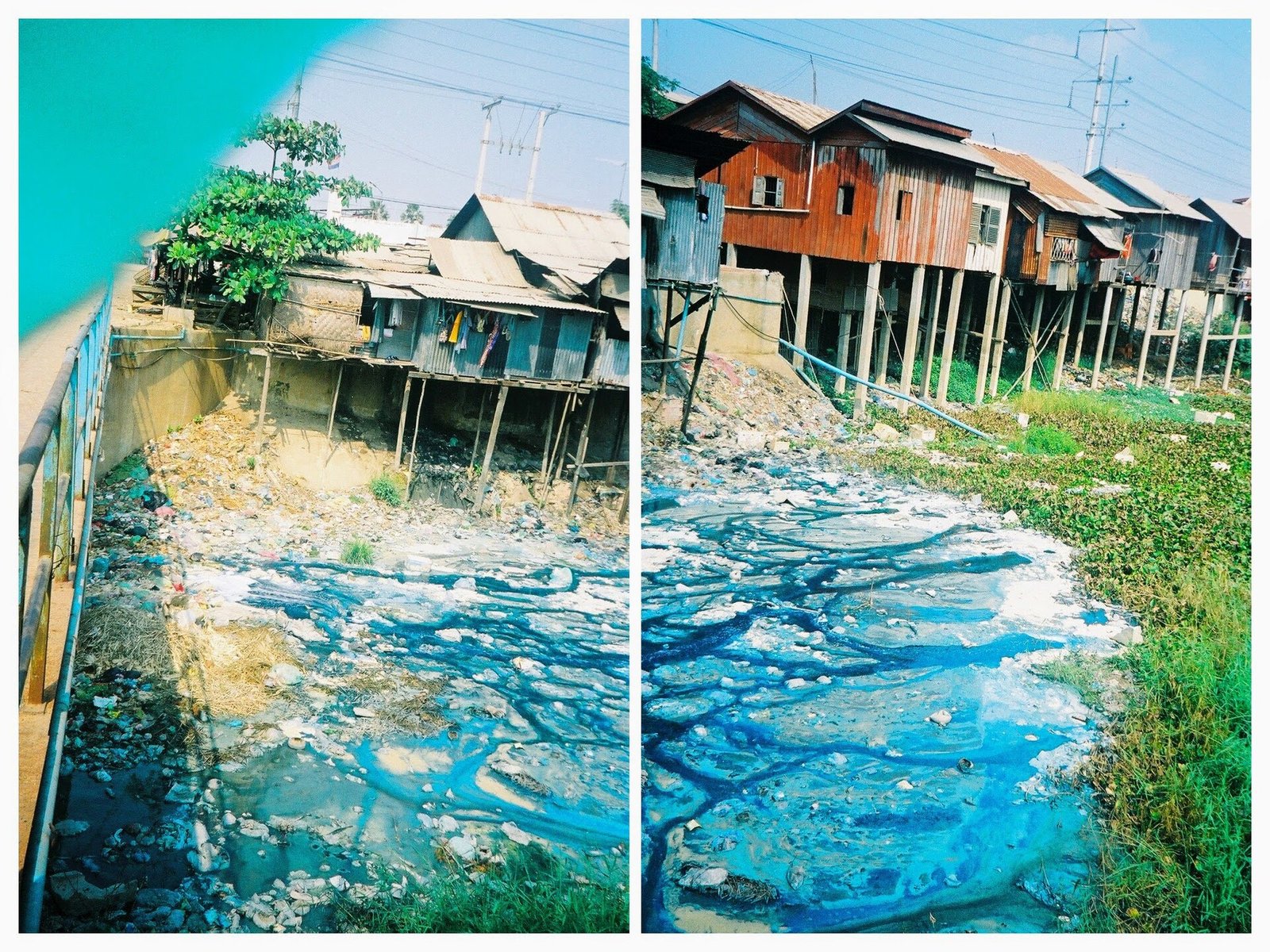 Oded Gilad, CC BY-SA 4.0
 Hans Hillewaert, CC BY-SA 4.0
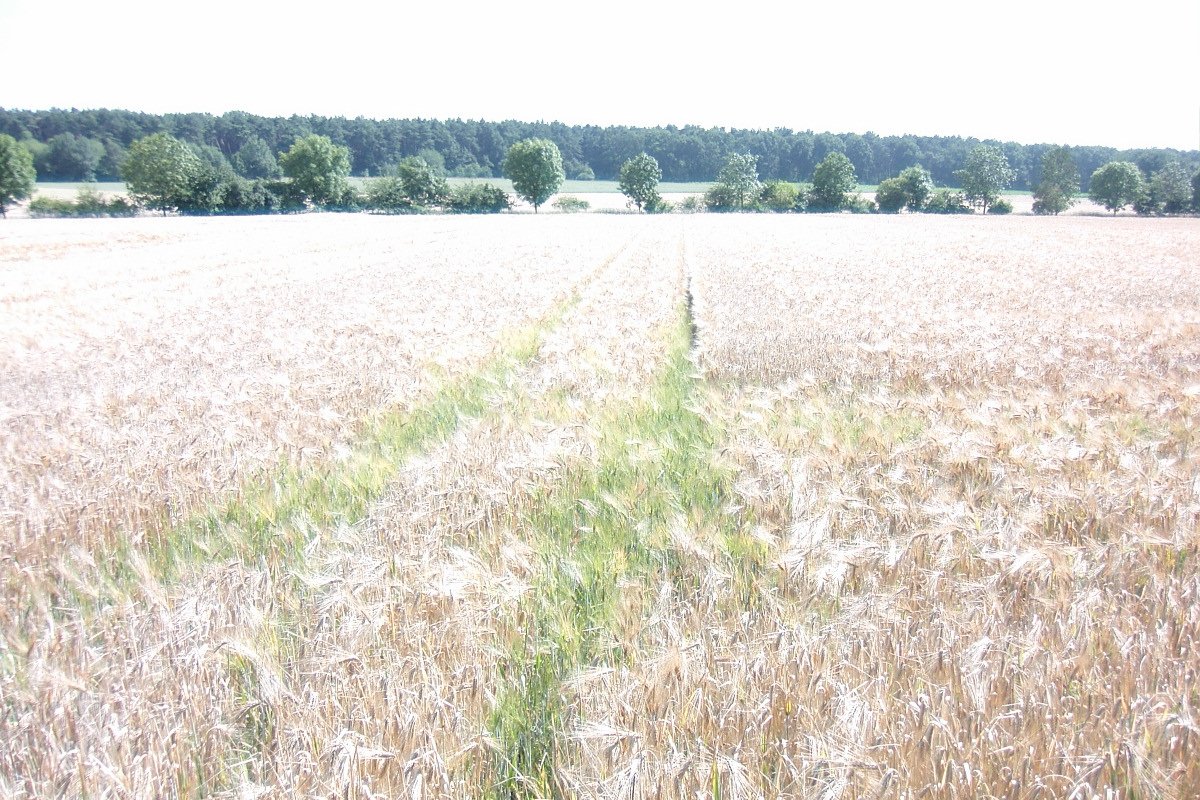 Blonder1984, CC BY-SA 3.0