Drought and extreme heat reduce carbon sequestration capacity in plants
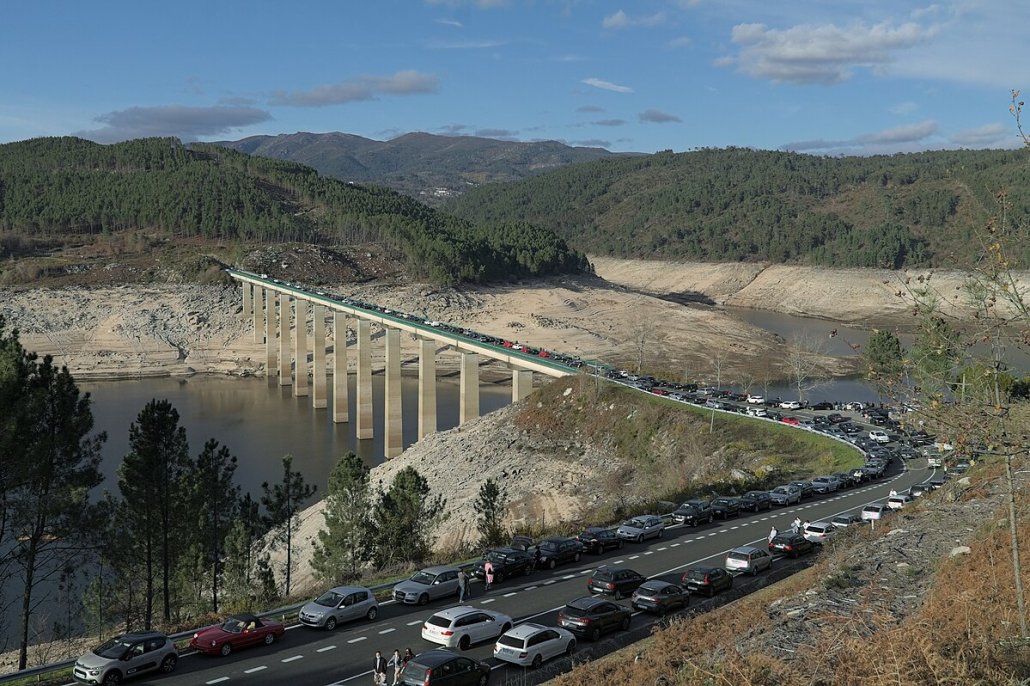 o_andras Attribution-ShareAlike 4.0 International CC BY-SA 4.0 Deed
 Plant respiration and decomposition of organic matter increase carbon emissions offsetting additional sequestration associated with extended growing season, a study by the Autonomous University of Barcelona finds
by Matteo Cavallito
The increase in extreme weather events caused by climate change alters the balance in the Earth’s carbon cycle and affects vegetation development. This is shown, in particular, by the 2022 heat wave that reduced the total storage capacity of the element by plants by more than a quarter. This is stated in a research published in the journal Global Biogeochemical Cycles.
Rising temperatures, the authors point out, extended the growing season of plant species by initially increasing carbon uptake. This effect, however, was subsequently offset by a simultaneous increase in CO₂ release from decomposition of organic matter and plant respiration.
Southwestern Europe is particularly vulnerable
“Heat and drought events are increasing in frequency and intensity, posing significant risks to natural and agricultural ecosystems with uncertain effects on the net ecosystem CO2 exchange,” explains the study conducted by the Autonomous University of Barcelona. To understand the impact of these events, the researchers developed a model to analyze photosynthesis and vegetation respiration taking into account the effects of soil moisture.
The authors also used satellite data on solar-induced fluorescence, a reliable indicator of photosynthetic activity, to validate the models by confirming how carbon exchange between ecosystems and the atmosphere is highly sensitive to extreme events.
The study results show that the water balance and timing of extreme events are critical to understanding ecosystem responses. Some regions such as southwestern Europe, which include various climate types, appear particularly vulnerable to these changes, according to the authors.
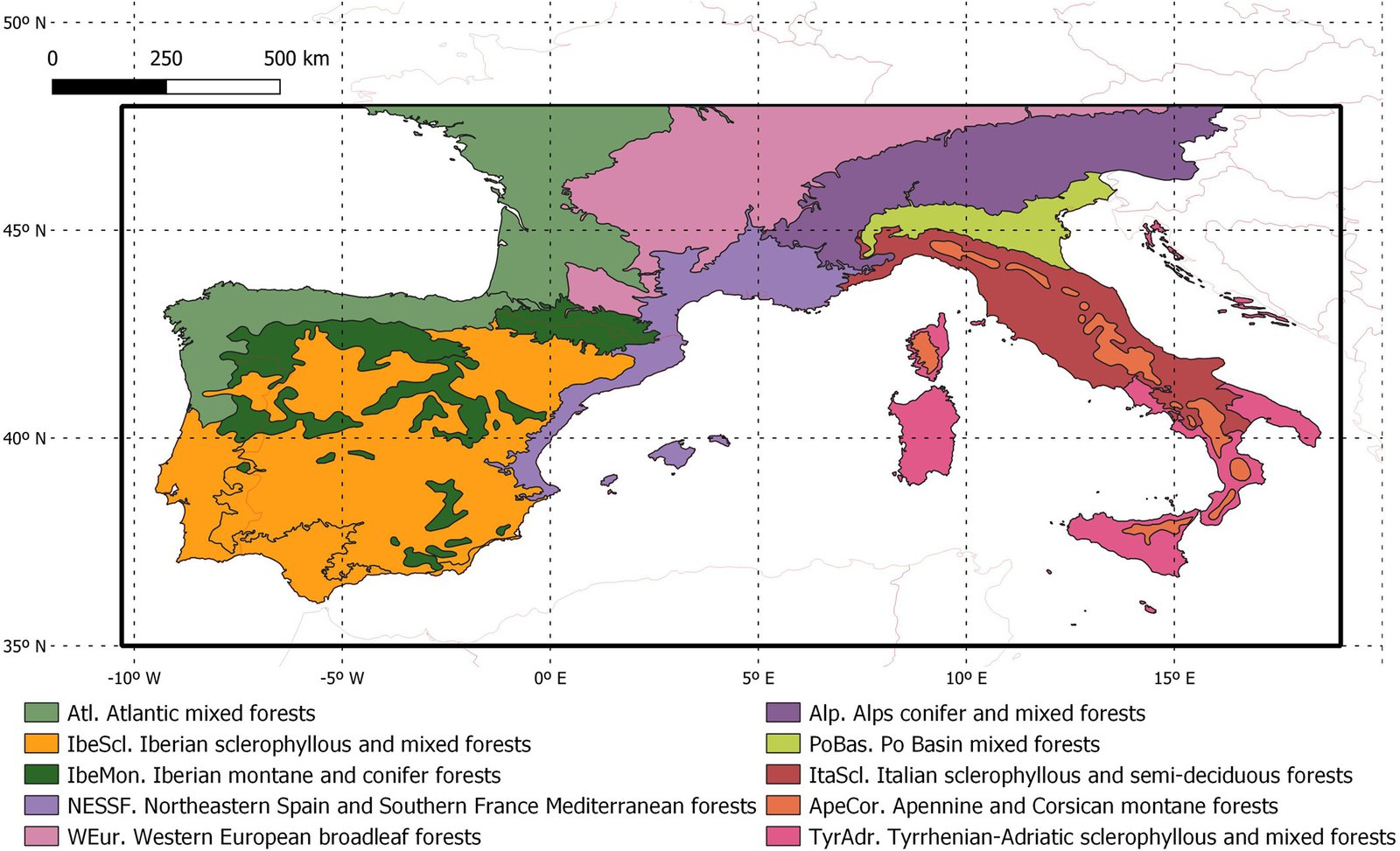
The research analyzed carbon fluxes over two decades (2001-22) in Portugal, Spain, Italy and southern France. Image: R. Segura-Barrero et al. “Heat and Drought Events Alter Biogenic Capacity to Balance CO2 Budget in South-Western Europe”, Global Biogeochemical Cycles, Volume39, Issue1 January 2025 e2024GB008163 Attribution-NonCommercial-NoDerivatives 4.0 International CC BY-NC-ND 4.0 Deed
Extreme events reduce sink capacity by a quarter
The research analyzed carbon fluxes over the space of a 20-year period (2001-22) in Portugal, Spain, Italy and southern France. Data from 10 biogeographic regions showed that ecosystems in continental and humid climates are more affected by heat waves and droughts than those in Mediterranean areas. Which, in fact, seems to better adapt to these events. Overall, current warming and drying trends could cause imbalances between photosynthesis and respiration. Thus compromising the role of ecosystems in carbon sequestration.
In this scenario, extreme events such as the 2022 heat wave, for example, caused a reduction in uptake of more than 26 percent, temporarily reversing the role of ecosystems from “sequesters” to sources of net CO₂ emissions.
In the two decades under review, hot and dry periods reduced photosynthesis to a greater extent than respiration resulting in a decrease in net uptake. Positive spring anomalies did not compensate for summer losses. All this confirms the vulnerability of the carbon budget to extreme events. With direct implications for the role of ecosystems in mitigating climate change.
Improving monitoring of carbon fluxes
The results, the authors conclude, “highlight the vulnerability of the south-western Europe’s carbon sink capacity to potential shifts in climate change, especially more frequent and intense droughts.” In light of the observed imbalance, the researchers therefore stress the need to improve monitoring of carbon fluxes expecially in vulnerable areas. And to strengthen policies for adaptation and protection of crucial ecosystems.
“Water balance plays a more important role in the interannual anomalies of the gross ecosystem exchange and respiration during the growing season in the semi-arid Iberian and Tyrrhenian-Adriatic sclerophyllous regions,” the study continues.
However, “this analysis reveals a higher drought influence on gross ecosystem exchange anomalies than on ecosystem respiration anomalies in temperate humid regions such as the Atlantic, Western Europe, and the Po Basin.” Thus, the researchers stress the importance of studying the combined impact of heat and drought events on photosynthesis, ecosystem respiration. And, ultimately, on the Earth’s carbon budget.
 Photo: Thomas Bjørkan CC BY-SA 3.0
 Re Soil Foundation