Citizen science provides valuable help to soil monitoring
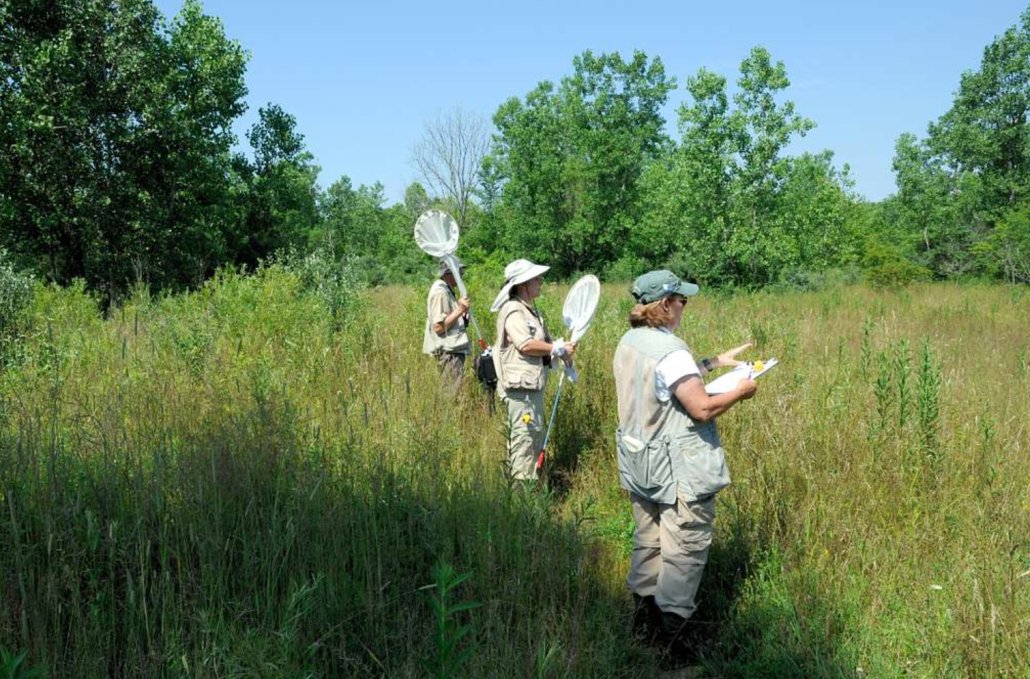 National Park Service U.S. Department of the Interior Public Domain Dedication
 Supported by Prepsoil’s database, new research highlights the benefits of citizen science. The approach proves effective but common standards and validation technologies are needed
by Matteo Cavallito
Citizen science, or the participation-based approach that involves citizens in data collection and research activities, can play a strategic role in soil monitoring in Europe. Through this strategy, in fact, citizens can effectively contribute to the production of useful information for protection initiatives as well as to the promotion of an active and environmentally aware community.
This is underscored by a study contributed by Prepsoil, a three-year project funded by the Horizon program that aims to “to support the implementation of the mission ‘A Soil Deal for Europe‘ by creating awareness and knowledge on soil needs among stakeholders in regions across Europe.” To achieve the best results, the researchers point out, it is necessary to invest in training, digital infrastructure, institutional coordination and open data, in line with continental strategies and the activities of the European Soil Observatory (EUSO).
A contribution to the monitoring of soil indicators
Citizen involvement in scientific exploration relies on the use of digital platforms, smartphone applications and remote sensing technologies that enable more precise spatial and temporal resolutions than are commonly achievable with traditional methods. “These participatory approaches have shown particular potential for monitoring indicators critical to soil health, including soil moisture, biodiversity, organic carbon content, and nutrient profiles,” the authors explain. Moreover, they add:
“Not only does this expand the pool of observational data, but it also strengthens public engagement and fosters science literacy.”
Obstacles, however, exist starting with “the need for rigorous data validation, standardization of protocols, and sustained volunteer motivation over extended monitoring periods.” The study therefore set three objectives:
- to examine the current contribution of citizen science to soil monitoring and protection;
- evaluating the different initiatives and methods already in use;
- to define potential solutions for harmonizing citizen-generated data with more conventional soil monitoring frameworks.
Nearly 100 Prepsoil database initiatives under review
Researchers, led by Karel Charvát, a researcher at Plan4all, a scientific organization that brings together a network of more than 60 partners from 22 countries, including public institutions, universities, research centers and private entities, considered three main sources: existing literature, a database of 96 European citizen science initiatives collected by the PREPSOIL project and, finally, surveys conducted in five Living Labs. That is, the experimental centers that, together with Lighthouse Farms, represent the main research and innovation facilities for soil health on the Continent.
Among the main benefits of the participatory approach highlighted by the study are the increased spatial and temporal coverage of data collected on certain key parameters. Such as organic carbon content, pH, nutrient levels, presence of contaminants and biodiversity.
Also emerging, however, are several critical issues: variability in volunteer skills, lack of shared protocols for data collection and validation, difficulty in keeping participants’ motivation high over the long term, and concerns related to privacy and proper data management.
Tools for citizen science
To solve these problems, the authors therefore suggest the adoption of common methodological standards and the use of automatic validation technologies. These include tools such as artificial intelligence and sensors. Sensors, in particular, help strengthen stakeholder confidence in data quality. The most effective initiatives combine training, accessible technologies and collaboration among all stakeholders. That is, citizens, local governments, researchers and public institutions.
In short, the study “demonstrates that citizen science can serve as a valuable asset for expanding the spatial and temporal scale of soil monitoring, enhancing data richness, and fostering community engagement in environmental stewardship.”
By aligning “with broader environmental directives, such as the EU’s Soil Mission,” and by integrating all necessary elements, then, “citizen science can contribute to a more inclusive and scientifically rigorous foundation for sustainable soil management across diverse landscapes,” the study concludes.
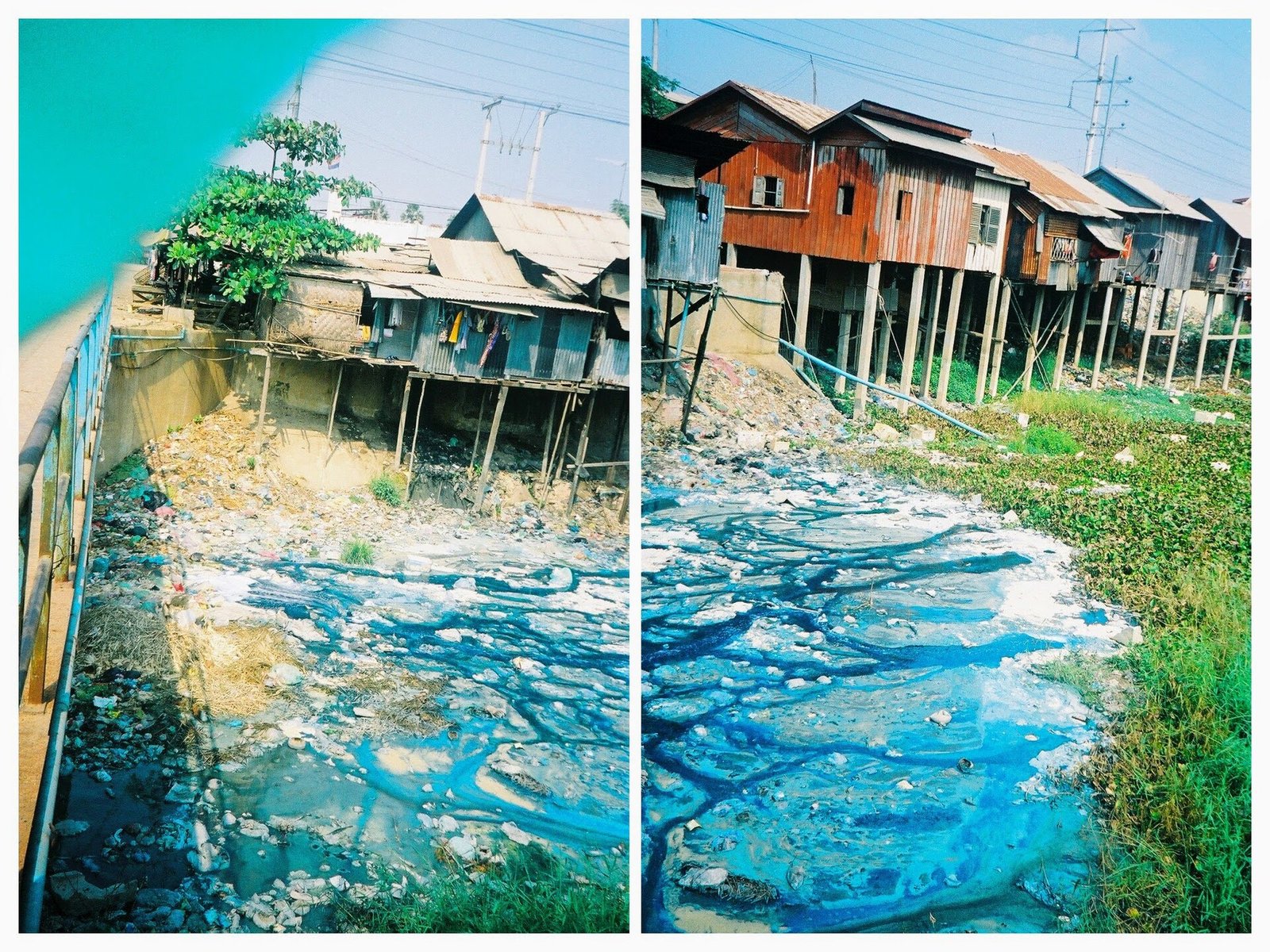 Oded Gilad, CC BY-SA 4.0
 Hans Hillewaert, CC BY-SA 4.0
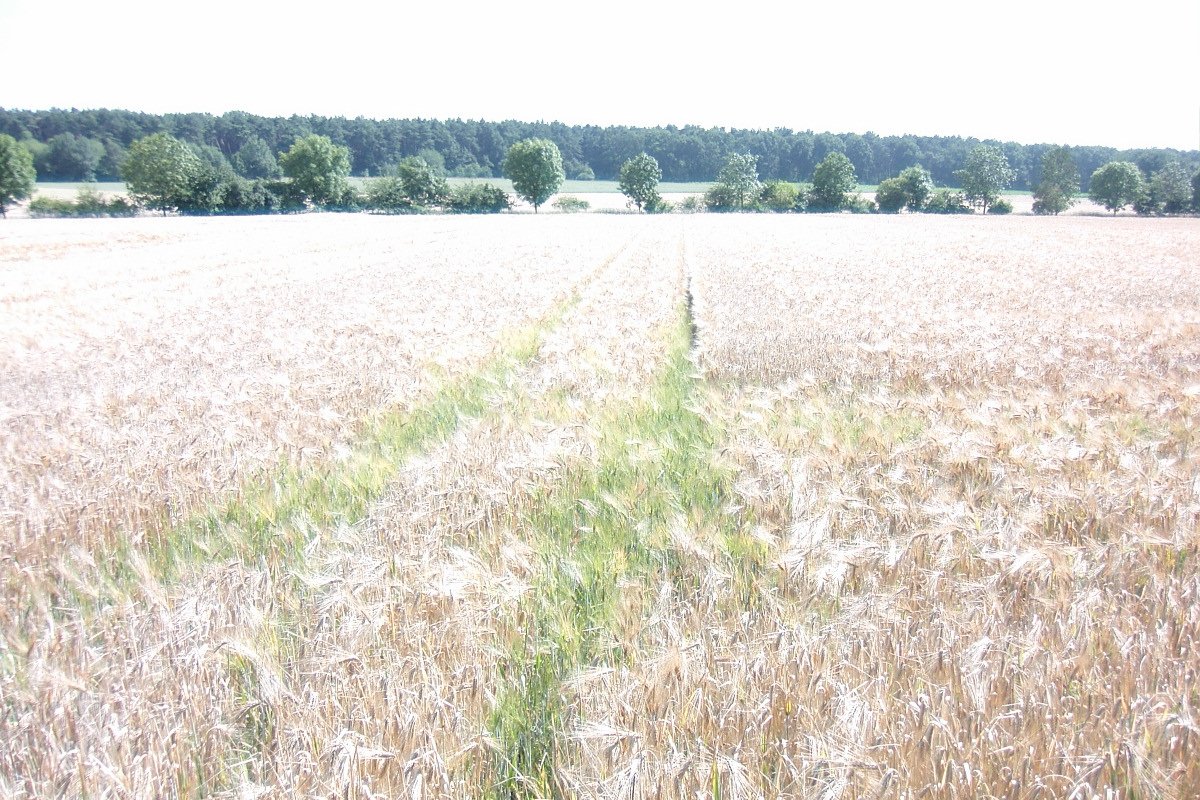 Blonder1984, CC BY-SA 3.0