“Land degradation is expanding by 1m km2 a year”
 Aaron Minnick | World Resources Institute Attribution-NonCommercial-ShareAlike 2.0 Generic CC BY-NC-SA 2.0 Deed
 Postdam researchers’ snapshot: “transformative actions are needed to stop land degradation”. Without reversing course “the Earth’s ability to sustain human and environmental well-being is compromised”
by Matteo Cavallito
Land degradation is increasing around the world at the rate of one million square kilometers every year, with global warming mitigation efforts and efforts to protect food security in a sustainable sense being undermined in the process. This is claimed in a study by the Potsdam Institute for Climate Impact Research (PIK). The survey, which was quoted by the Guardian, was released in correspondence with the opening of the international summit of the United Nations Convention to Combat Desertification (UNCCD) in Riyadh, Saudi Arabia.
Unsustainable agricultural practices play a crucial role
Soil is an integral component of the earth system and plays a crucial role in ensuring the processes, functions and services that sustain environmental and human well-being. Recognizing its centrality, therefore, “is essential for maintaining environmental stability and promoting sustainable development for current and future generations,” the report states. Today, however, the land is threatened by the presence of critical factors.
“Land degradation is driven by human activities, such as unsustainable agricultural practices, conversion of natural ecosystems, deforestation and urbanisation,” the study explains.
“Other environmental challenges such as climate change and biodiversity loss are closely linked to land degradation.” These issues further promote the phenomenon by creating a vicious cycle and putting global sustainability at risk.
Drylands in Asia, Africa, the U.S. and the Mediterranean at risk
Unsustainable agricultural practices, the Guardian recalls, are responsible for 80 percent of deforestation and contribute to soil degradation in a variety of ways beginning with the overuse of chemicals and pesticides. Also under scrutiny are the terrestrial ecosystems called upon to provide climate mitigation. “Until recently land ecosystems absorbed nearly one-third of human-caused carbon dioxide pollution, even as those emissions increased by half,” writes the British newspaper.
“But over the last decade the capacity of trees and soil to absorb excess CO₂ has shrunk by 20% due to deforestation and climate change.”
The report identifies several arid regions particularly prone to degradation in South Asia, northern China, the U.S. Great Plains, California and the Mediterranean. One-third of the Planet’s individuals today live in drylands that include three-quarters of Africa. “This has dire humanitarian effects because low-income countries and socioeconomic groups are disproportionately affected,” the Guardian further writes. Women, especially, “face increased workloads and health threats, while children are at greater risk of malnutrition and educational setbacks.”
The importance of “transformative actions”
Thus, according to the authors, high-impact interventions are urgently needed. “Transformative actions to combat land degradation can facilitate a return to the safe operating space,” they say. This implies “to avoid, reduce and reverse land degradation.” Principles of equity and justice, in any case, are key when designing and implementing transformative actions, the authors point out, ensuring that benefits and burdens are equitably distributed.
In this scenario, “Effective evidence-based policies are crucial for transformative action, and ultimately for environmental and human wellbeing.” In particular, “they must be supported by an enabling environment, substantial public and private investments, and a closer collaboration between science and policy.” Important factors supporting these interventions include economic incentives, including public and private investment, effective regulation of resource use, and adequate coordination among those engaged in these efforts.
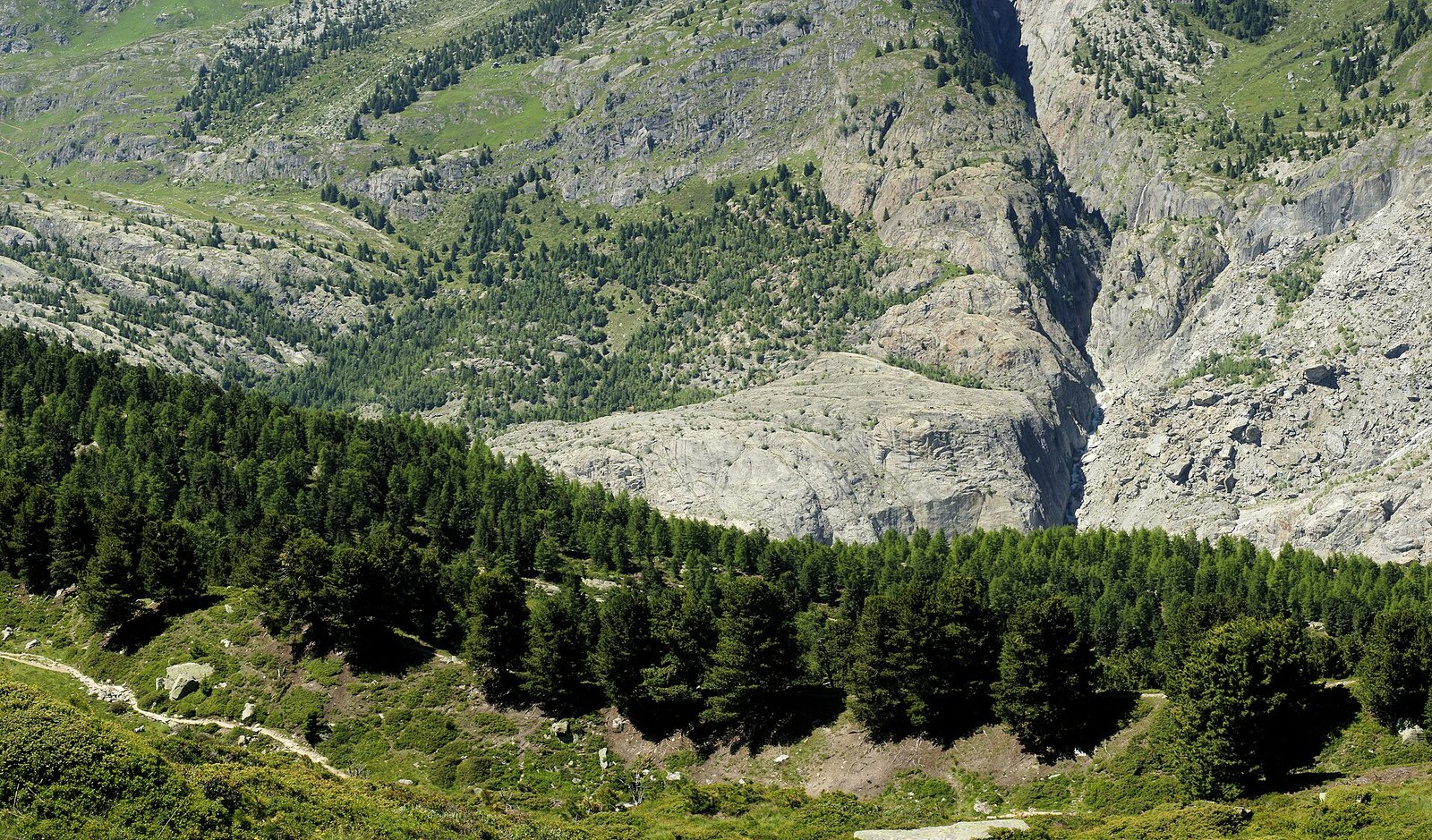 Hans Hillewaert, CC BY-SA 4.0
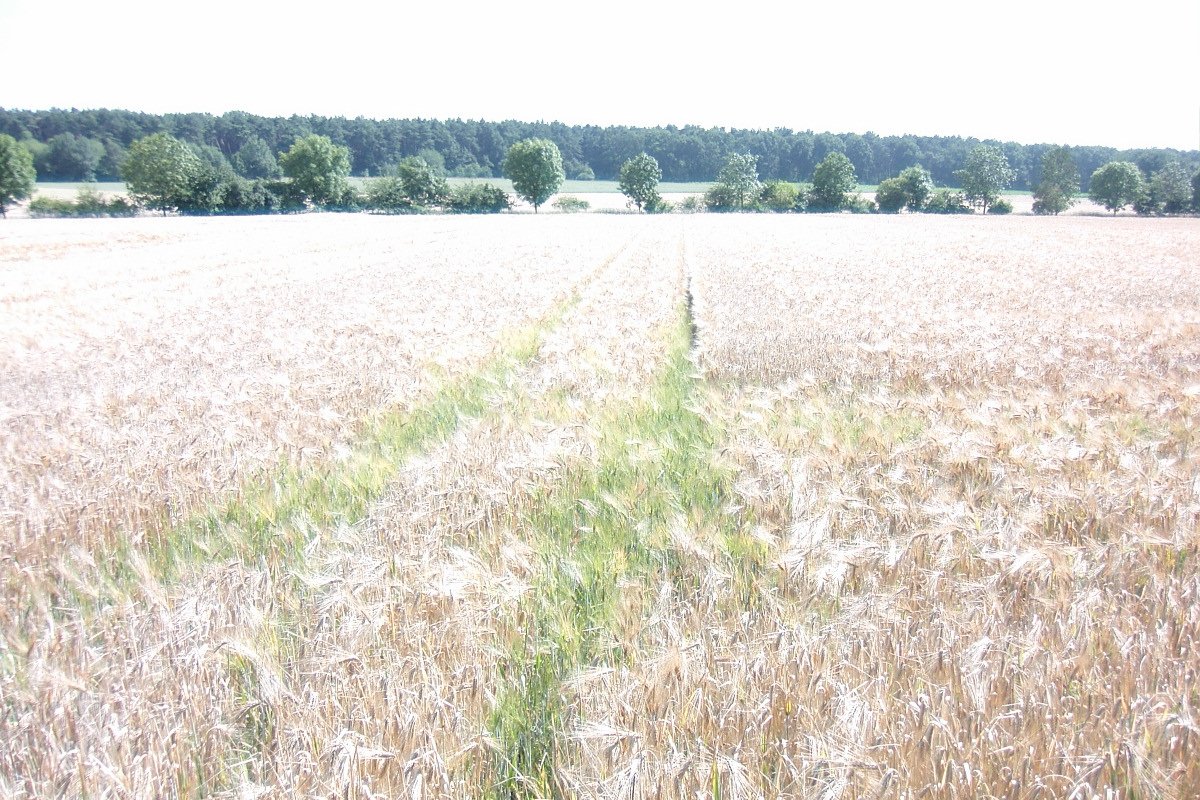 Blonder1984, CC BY-SA 3.0
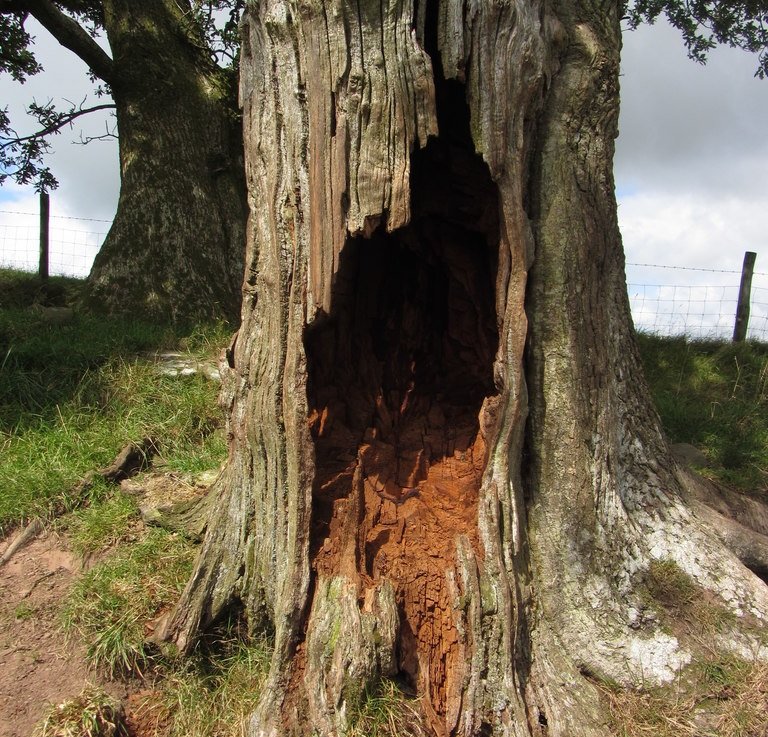 Gareth James CC BY-SA 2.0 Attribution-ShareAlike 2.0 Generic