Mozambique’s forests store more carbon than expected
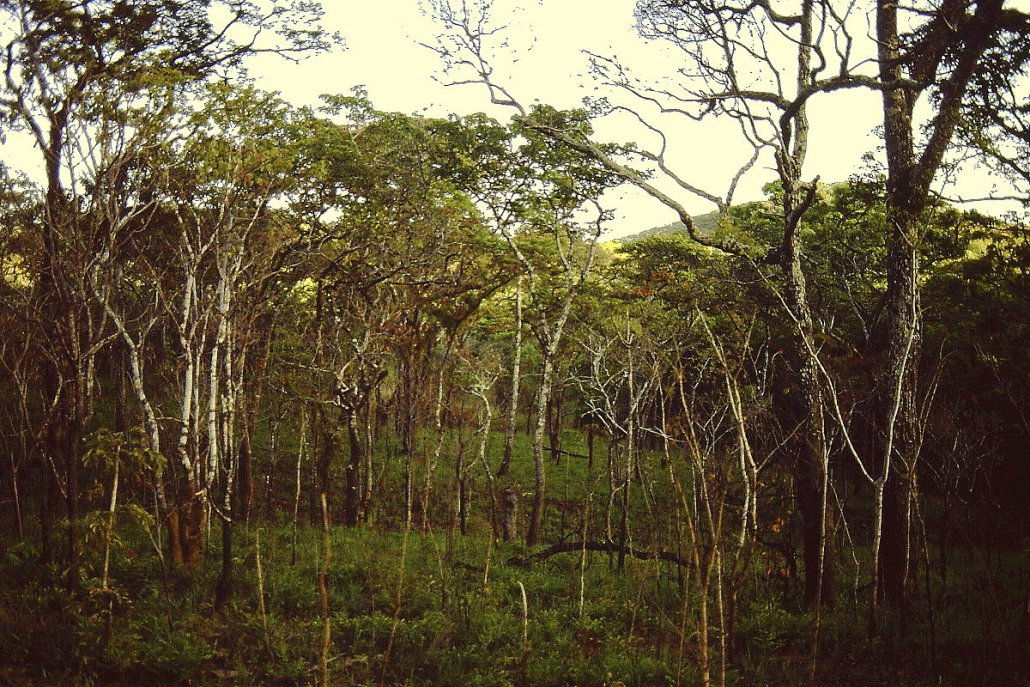 Lichinga ATTRIBUTION-SHAREALIKE 4.0 INTERNATIONAL CC BY-SA 4.0 Deed
 A new study revises estimates for miombo forests upwards. Carbon from these ecosystems in Mozambique could be 2.2 times higher than previously assumed
by Matteo Cavallito
Miombo forests covering a vast eco-region in Sub-Saharan Africa could store more than twice the amount of carbon previously estimated. This has been indicated by an international research study involving several partners including, among others, the University College London and the UK-based Sylvera Ltd, a company specialising in collecting and providing global carbon data.
800,000 km2 of forests have been lost in four decades
“Miombo woodlands are integral to livelihoods across southern Africa, biodiversity in the region, and the global carbon cycle, making accurate and precise monitoring of their state and change essential,” says the study published in the journal Nature Communications Earth & Environment. So called for their predominantly tree species, these forested areas have long been under threat.
Over the past 40 years, a University College statement says, deforestation has reduced the extent of these forests from 2.7 to 1.9 million square kilometres, thus making necessary a continuous and careful monitoring. The deforested sites, by comparison, cover an area three times the size of the UK.
The amount of carbon? Up to 2.2 times more
Working in collaboration with local partners, the researchers collected 450 billion 3D measurements on more than 8 million trees covering 500 square kilometres in the miombo forests. The research took place in 2022 in and around the Gilé National Park in Mozambique. Here, scientists used ground-based lasers, drones and helicopters to scan the area and acquire data.
“We found 1.71 ± 0.09 TgC was stored in aboveground biomass across this landscape, between 1.5 and 2.2 times more than the 0.79–1.14 TgC estimated by conventional methods,” the study explains.
At the origin of the gap, the authors point out, is the systematic underestimation of large trees by measurements based on allometry. The revision of the estimates in the observed area therefore suggests a re-evaluation on a regional scale. “If these results were extrapolated across Africa’s miombo woodlands, their carbon stock would potentially require an upward revision of approximately 3.7 PgC,” the study explains. This would mean that “we currently underestimate their carbon sequestration and emissions potential, and disincentivise their protection and restoration.”
Deforestation may worsen climate change
Besides highlighting the validity of the measurement system, the study again raises the issue of the role of African forests in climate mitigation. On the one hand, the data revealed the great carbon conservation potential of these areas. But in the context of the deforestation affecting Africa, the upward revision of the figures also certifies the extent of the danger.
The destruction of these areas, in fact, “could release significantly more carbon than thought,” the authors remind. Therefore, they conclude, “governments, business and finance need to do much more to prioritise protecting and restoring these often forgotten forests as a crucial climate change mitigation pathway.” The real value of investment and financing for these activities “is even greater than previously thought.”
 Jonathan Wilkins Attribution-ShareAlike 3.0 Unported CC BY-SA 3.0 Deed
  Melissa McMasters Attribution 2.0 Generic CC BY 2.0 Deed