
Adapted farming in peatlands is also good for biodiversity
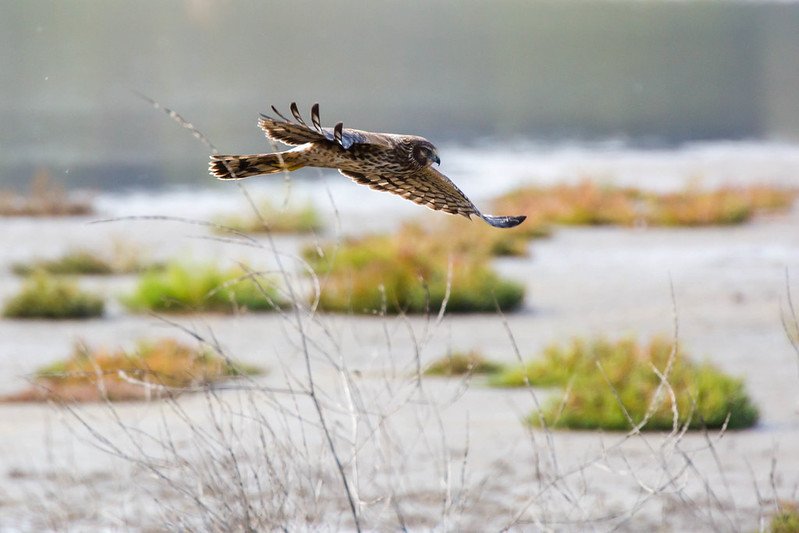 Melissa McMasters Attribution 2.0 Generic CC BY 2.0 Deed
 Peatlands converted to paludiculture support three times as many birds as drained grasslands, with levels similar to those found in natural wetlands, according to a British study
by Matteo Cavallito
Peatland restoration is emerging as one of the most promising solutions for addressing the climate crisis while simultaneously protecting critically important environments such as peatlands. In addition, a further previously underappreciated benefit is also becoming evident: the positive impact of this practice on biodiversity. This is highlighted by a new study conducted by the Royal Society for the Protection of Birds (RSPB) and the University of Cambridge, which shows that this approach not only reduces greenhouse gas emissions but can also foster richer and more diverse bird communities than those found in drained agricultural meadows.
Drainage turns peatlands into carbon sources
Over time, wetlands have been drained to make way for conventional farming. These efforts led to the gradual disappearance of most of these ecosystems, which represent one of the planet’s largest carbon sinks. Peatlands, in fact, “play a disproportionate role in the carbon cycle, covering only 3% of Earth’s terrestrial surface yet storing 30% of its carbon,” emphasizes the study published in Ecological Solutions and Evidence, a journal of the British Ecological Society.
However, the study continues, “through degradation from drainage for agriculture, forestry and peat extraction, drained peatlands currently emit an estimated 5% of anthropogenic greenhouse gas (GHG) emissions and by 2050, this figure is predicted to rise to 8%, and 25% of Earth’s peatlands will likely be in a degraded state.”
In other words, drainage transforms wetlands from carbon sinks into carbon sources, thereby contributing to climate change. Paludiculture is proposed as a response to this problem. By conserving these environments, indeed, we can prevent their drainage—and the consequent release of carbon—while paving the way for growing crops specifically adapted to these conditions. This approach offers significant benefits for climate mitigation and beyond.
In cultivated wetlands, the number of species triples
To demonstrate this, the study examined three different environments in the Netherlands: natural wetlands, peatland sites cultivated with Typha, and drained, grazed agricultural meadows. The results are particularly significant. In these areas, “paludiculture hosted a range of generalist and wetland specialist bird species, including several that are considered of European or global conservation concern”, researchers explain. Moreover, “predicted bird abundance in paludiculture was comparable to natural wetland (30.8 birds per hectare) and significantly higher than on grasslands (10.5 per hectare).”
In other words, reed cultivation sites host about three times as many birds as drained grasslands. Thus reaching levels similar to those of natural wetlands.
Among the species observed are both birds typical of aquatic environments—such as the great reed warbler (Acrocephalus arundinaceus) and the reed bunting (Emberiza schoeniclus)—and grassland species, creating hybrid and particularly rich communities. “Our study shows that paludiculture can support overall bird abundance on par with wetlands, and function as a habitat bridging agricultural and wetland species assemblages by providing resources for both generalist and wetland-associated species,” the researchers conclude.
Innovation and investments for climate neutrality
This form of agriculture, therefore, could help reduce emissions associated with land use in peatlands, thereby supporting the goal of climate neutrality. Harnessing the potential of wetland farming, the scientists note, will require investment, appropriate policies, and innovation: in this way, this practice could become a pillar of a more resilient agricultural system, capable of responding to environmental challenges without sacrificing productivity.
The study’s findings, they conclude, “suggest that paludiculture can be a multifunctional land use, enhancing biodiversity in addition to other known benefits.” In this way, this practice can become a system that integrates elements of different ecosystems within agricultural landscapes.
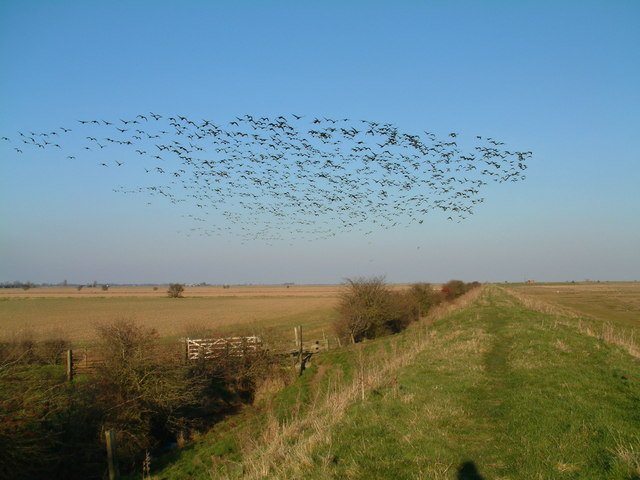 Ian Sharp Attribution-ShareAlike 2.0 Generic CC BY-SA 2.0 Deed
  Rod Waddington Attribution-ShareAlike 2.0 Generic CC BY-SA 2.0 Deed
 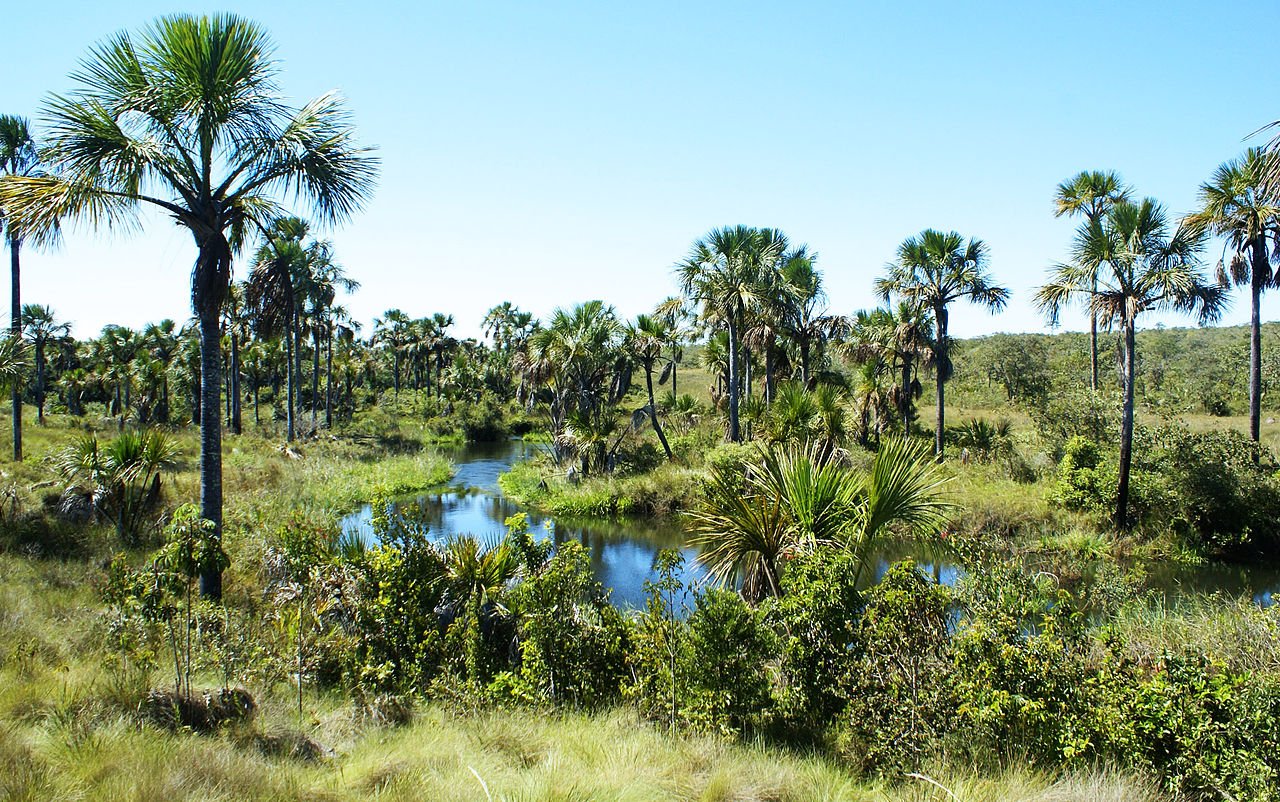 Thpelin Attribution-ShareAlike 3.0 Unported CC BY-SA 3.0 Deed


