Elevation, pH, and calcium are key factors in the phosphorus cycle
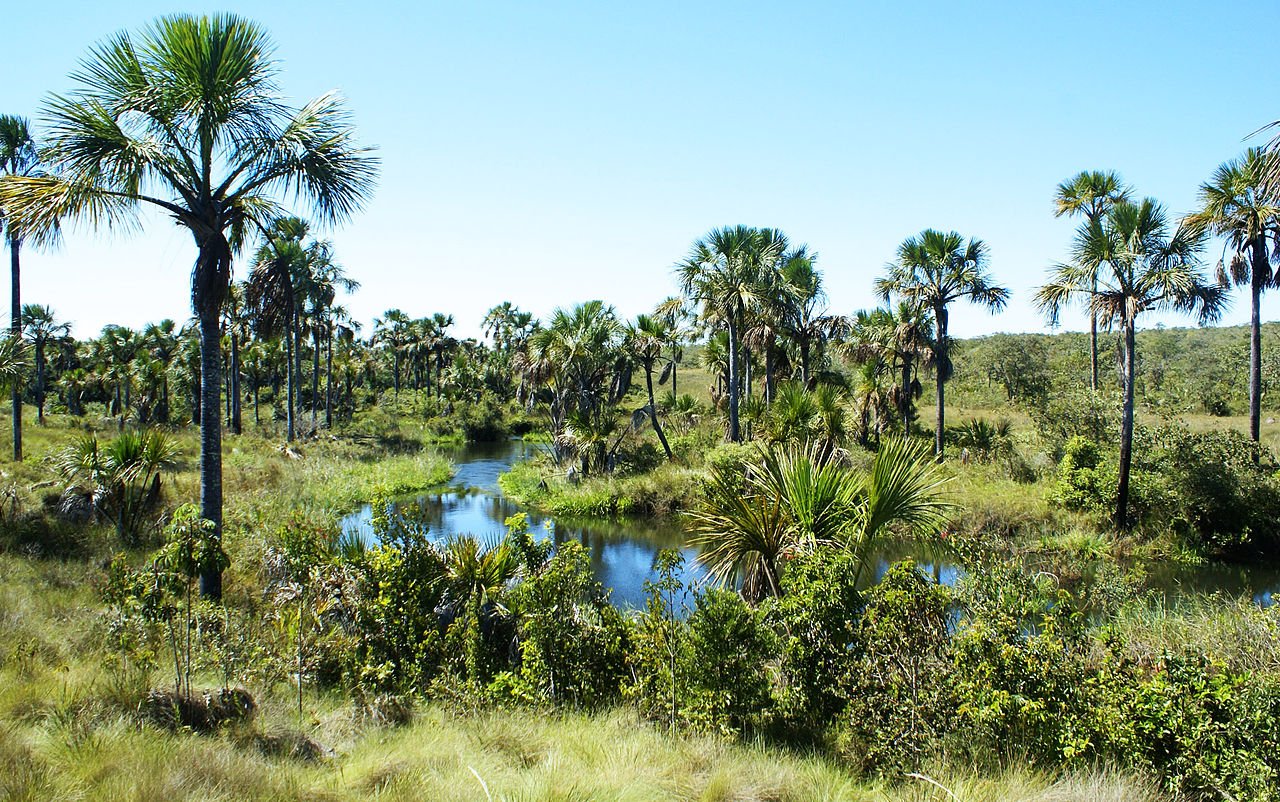
 Rod Waddington Attribution-ShareAlike 2.0 Generic CC BY-SA 2.0 Deed
 A Chinese study has identified the key factors influencing the distribution of available phosphorus in tropical and subtropical forests, by modelling the genetic potential for phosphorus mineralization in soil
by Matteo Cavallito
Phosphorus in the soil is crucial for plant growth and, more broadly, for the life and productivity of the ecosystem. Scientists, however, have been unable to clearly identify which factors influence the availability of this key element, at least until today. A recent study by the researchers of the Xishuangbanna Tropical Botanical Garden (XTBG) of the Chinese Academy of Sciences, published in Functional Ecology, in fact, has provided new insights. The authors analyzed tropical and subtropical forests and identified several crucial factors: altitude, soil pH, and calcium availability.
Microbes play a key role in the phosphorus cycle
Although phosphorus is present in large amounts in the soil, the amount actually available to plants represents only a small fraction of the total, especially in tropical forests. In these environments, the activity of soil microorganisms is essential, as they regulate nutrient cycles and help make the element available to plants. Bacteria, in particular, participate in these dynamics through processes such as the mineralization of organic phosphorus, in other words, converting it into plant-available forms.
This process is mediated by specific enzymes whose production is controlled by functional genes, including PhoD, which plays a key role in the degradation of organic phosphorus.
“Soil microbes harbouring the PhoD gene mediate this process by secreting extracellular alkaline phosphatases,” explains the study. “This gene is widespread across diverse bacterial phyla, and its significance has been extensively reported in agroecosystems, particularly in response to fertilizer inputs.” However, “the spatial distribution of the PhoD gene in natural ecosystems along environmental gradients and its consequent effects on phosphorus dynamics remain unclear.”
The Study
Unlike most studies, which have focused on agricultural systems, this Chinese research focused on large-scale tropical and subtropical forest ecosystems. The authors thus studied the spatial distribution of the PhoD gene in three 20-hectare forest plots in Yunnan Province, China: the Bubeng lowland tropical forest, the Nabanhe mid-elevation tropical forest, and the Ailaoshan high-elevation subtropical evergreen broadleaf forest.
Furthermore, using molecular techniques, they were able to examine the relationship between the distribution of the gene and the presence of certain geographical, chemical, and biotic factors.
In summary, the study links microbial diversity to phosphorus dynamics and the functioning of forest ecosystems. “Abundance,” the study explains, “was highest and most ubiquitous in mid-elevation Nabanhe (1015.86–1235.64 m), intermediate in low-elevation Bubeng (712.05–860.05 m) and lowest in high-elevation Ailaoshan (2443.78–2586.13 m), where the gene was frequently undetectable.” But there’s more.
Soil, calcium, and pH are decisive
Ultimately, the study’s results “identified elevation, soil pH and calcium as the top three predictors of PhoD gene abundance and distribution at the regional scale,” where the effect of altitude is mediated by variations in pH and the concentration of macronutrients such as carbon, nitrogen, and phosphorus. Finally, at the local level, “the spatial pattern was associated with variations in soil parent material, which influenced both soil pH and calcium.”
“Our findings demonstrate how elevation-driven environmental changes shape the genetic potential for phosphorus mineralization in soil. Soil pH acts as a consistent filter, constraining the microbial community capable of performing this vital function across different landscapes,” said YANG Xiaodong from XTBG, one corresponding author of the study. New large-scale studies, the authors conclude, are now needed to predict how this fundamental microbial process will respond to global changes.
 Thpelin Attribution-ShareAlike 3.0 Unported CC BY-SA 3.0 Deed
 Jonathan Wilkins Attribution-ShareAlike 3.0 Unported CC BY-SA 3.0 Deed