
Drought is once again a major threat to European agriculture
 Torsten Sachs (distributed via imaggeo.egu.eu) Attribution-NoDerivs 3.0 Unported CC BY-ND 3.0 Deed
Agricultural drought is affecting northwestern Europe, the Baltic and some eastern and southern regions of the Continent. In contrast, following heavy rains higher yields are expected in Italy, Greece and the Iberian Peninsula
by Matteo Cavallito
Ecosystems and agriculture on the European Continent are reckoning with drought. This is stated in the latest report by the Joint Research Center (JRC). The study, which calls for rapid and coordinated action to reduce the risks and impacts of the phenomenon, is based on data from the Copernicus emergency management service or the European Drought Observatory (EDO). The water scarcity conditions were triggered by the lack of rain between March and the end of May, and the impact of above-average temperatures. With consequences for vegetation growth and rivers.
Soil under stress
To identify areas affected by agricultural drought, or the soil moisture deficit that affects crop development, the authors used an index known as the Combined Drought Indicator (CDI) that is based on a combination of three quantities. These include the SPI or Standardized Precipitation Index, which measures how much rainfall is below (or above) normal, and the fAPAR or Anomaly of Absorbed Photosynthetically Active Radiation, which basically measures the health of vegetation by monitoring the fraction of solar energy assimilated by leaves.
Finally, the Soil Moisture Index Anomaly assesses “the deviations from normal conditions of root zone water content,” the study explains.
Because of this, the indicator represents “a direct measure of drought associated with the difficulty of plants in extracting water from the soil.” At the end of May, the report continues, “the Index shows negative anomalies over large areas of the Euro-Mediterranean region, consistently with the precipitation deficit of the previous months.” Some regions of north-central Europe and the Baltic “are under drier-than-usual conditions.” In the eastern and southern parts of the Continent, it is also particularly affecting Bulgaria, Romania, Ukraine, Turkey and southwestern Russia as a result of a prolonged period of low rainfall.

The geographical distribution of the Soil Moisture Index Anomaly. Anomalous levels of soil moisture are found mainly in some regions of north-central Europe and the Baltic, but also in the eastern and southern parts of the Continent. Source: European Commission, Joint Research Centre, “Drought in Europe – June 2025 GDO Analytical Report“, Publications Office of the European Union, Luxembourg, 2025, Attribution 4.0 International CC BY 4.0 Deed
The impact on agriculture and vegetation
The impact of drought is already visible on agriculture and vegetation. Northwestern Europe – Benelux, northern France and Germany – is facing a severe rainfall deficit, leading to concerns about yields of winter and spring crops that will soon be sown.
In contrast, the study continues, “the Iberian Peninsula, Italy, and Greece have experienced abundant rainfall, boosting growing conditions and forecasting 15 20% higher yields in Spain/Portugal.” Although in the northern parts of the two countries, “sowing delays persist in northern Spain/Portugal due to excessive rain.”
Yield declines are expected in eastern Ukraine and Cyprus, however. At the individual crop level, the report notes, Europe faces significant drought impacts particularly for wheat, corn and soybeans.
River flows and shipping disruption
No less significant, finally, is the problem of river transport, which looks under pressure in some regions especially in Eastern Europe and around the Baltic Sea. In July, the JRC emphasizes, there could also be disruptions in the availability of shipping in western Russia, southeastern Turkey, and islands in the central and eastern Mediterranean. In contrast, the Rhine River, which has faced problems in recent years, remains navigable thanks to upstream contributions.
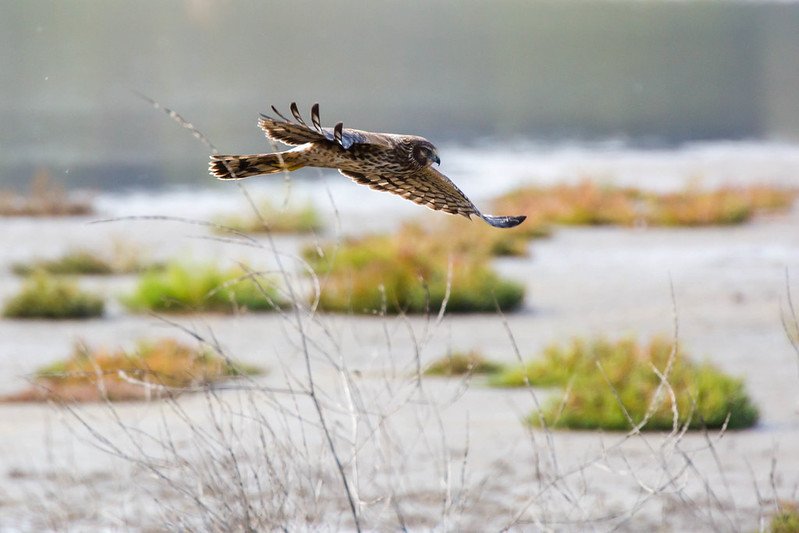 Melissa McMasters Attribution 2.0 Generic CC BY 2.0 Deed
 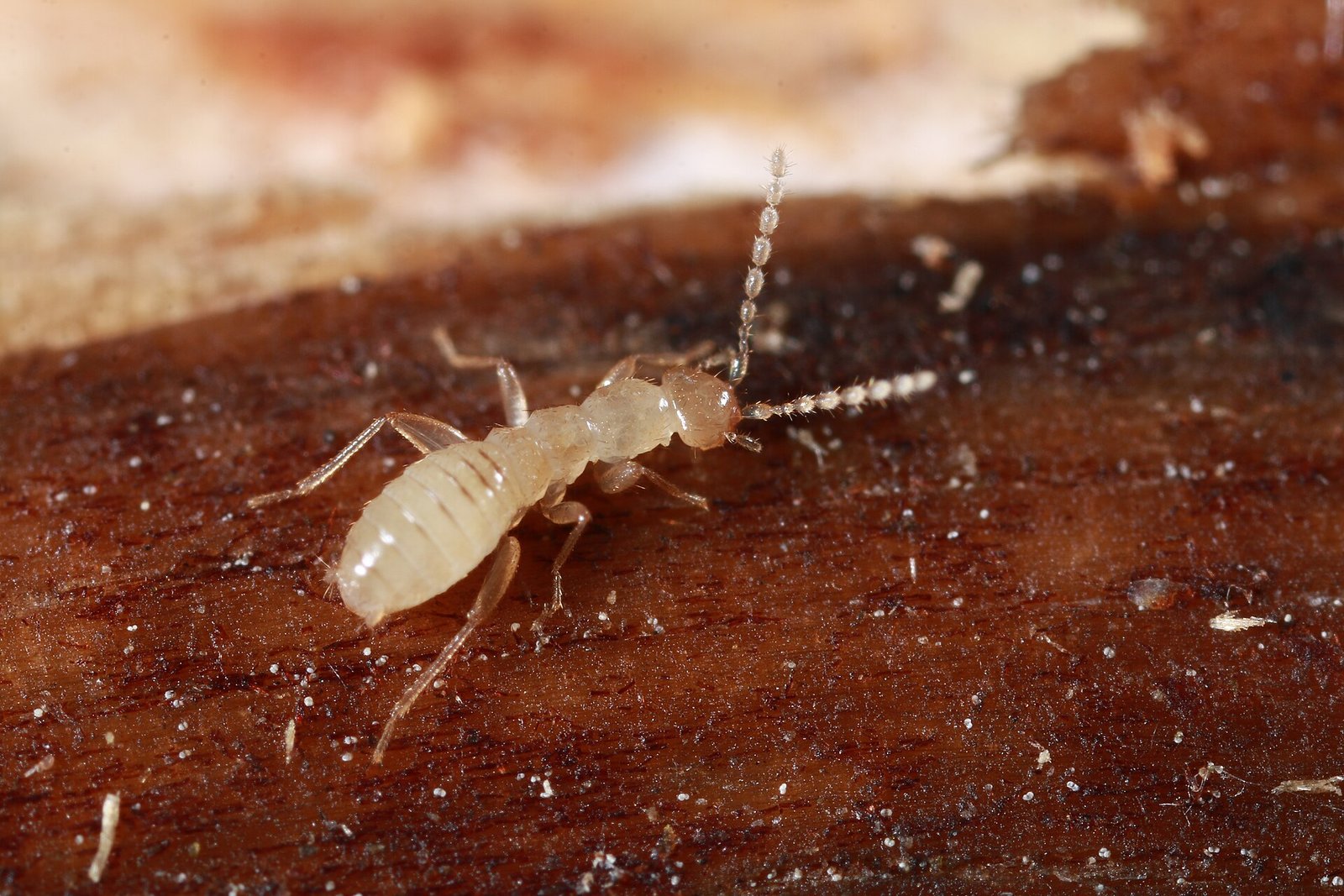 Angal insect Attribution-ShareAlike 4.0 International CC BY-SA 4.0 Deed
  ECHO
ECHO 


