Biodegradable mulch sheets don’t reduce soil organic content
 F. Kesselring, FKuR Willich Attribution-ShareAlike 3.0 Germany CC BY-SA 3.0 DE Deed
According to a British study, the use of bioplastic biodegradable mulch sheets in agricultural soils increases yields and has no side effects in terms of carbon balance
by Matteo Cavallito
The use of biodegradable mulch sheets contributes to plant growth by improving nitrogen uptake but without negatively impacting organic matter loss or microbial composition. This was revealed in a study by the School of Environmental and Natural Sciences at Bangor University in the United Kingdom.
Soil organic matter is a very important store of carbon, the survey recalls, as well as an indicator of soil health. As fields are cultivated, however, it tends to be reduced. The use of tarps can also play a role in this phenomenon, the study notes. That is why it is necessary to properly assess the effect of each factor.
Doubts about degradation risk
Designed to reduce the use of conventional plastic, “Biodegradable plastic film mulch (PFM) can increase yields by improving soil hydrothermal conditions, increasing nitrogen use efficiency and suppressing weeds” the study explains. Their use, moreover, “can also speed up Soil organic matter (SOM) breakdown and induce changes to the soil microbiome.”
However, “the increased return of C from rhizodeposition and crop residues from PFM-grown crops can compensate for SOM breakdown, although outcomes vary substantially with agronomic and environmental conditions.”
To test this possibility, therefore, the authors undertook a study of an agricultural field in Wales. Collecting some particularly useful results.
The experiment
In some cropfields managed by a farm active in growing leek, sweet corn, and lettuce, some biodegradable mulch sheets were applied to part of the soil while leaving other areas uncovered. Two types of organic fertilizers and two winter treatments (green manure, or burying of plant material, or mulching with polypropylene sheets, a traditional plastic) were also added to the soils. Over the survey period (2021-2023), crop residues and biomass from green manure were reintegrated into the soil, and several indicators were measured. In summary:
“Biodegradable plastic film mulch (PFM) caused a significant increase in yield in all the crops grown (43%–46%) and the overwinter green manures (18%), resulting in more organic matter incorporated into the soil,” the study explains.
Nevertheless, no significant difference in soil organic matter content emerges between plots covered by the biodegradable sheets and those that hosted conventional films, nor is there any significant change in bacterial biodiversity. “In contrast, the large difference in the mass of green waste compost and poultry manure addition resulted in a 15% increase in SOM after 3 years.”

The use of biodegradable bioplastic mulch sheets increased yields by 46% but did not significantly affect soil organic matter content and had minimal effects on the bacterial community. Image: Martin SAMPHIRE, Davey L. JONES, David R. CHADWICK. Use of biodegradable plastic film mulch over three years of organic horticultural production promotes yield but does not affect soil organic matter content. Front. Agr. Sci. Eng., https://doi.org/10.15302/J-FASE-2025608 Attribution 4.0 International CC BY 4.0 Deed
A contribution to agricultural soil
The use of biodegradable mulch sheets, the scientists note, produced clear agronomic benefits without significant side effects in the short to medium term. Increased crop production, in particular, resulted in increased accumulation of return carbon (via residues and roots) in the soil. This offset the increase in mineralization of organic matter.
Further longer-term studies, they add, are needed, however, to assess possible cumulative effects or possible losses of the stable element in the soil.
“The use of biodegradable plastic film mulch significantly increased crop yields with no detrimental effect on soil organic matter, which is a promising result,” the authors conclude. “Given the positive impacts of green waste compost on soil organic matter and crop yields, and the yield benefits of overwinter green manure, integrating these practices with biodegradable films offers a promising strategy for long-term agronomic and environmental outcomes.”
 Melissa McMasters Attribution 2.0 Generic CC BY 2.0 Deed
 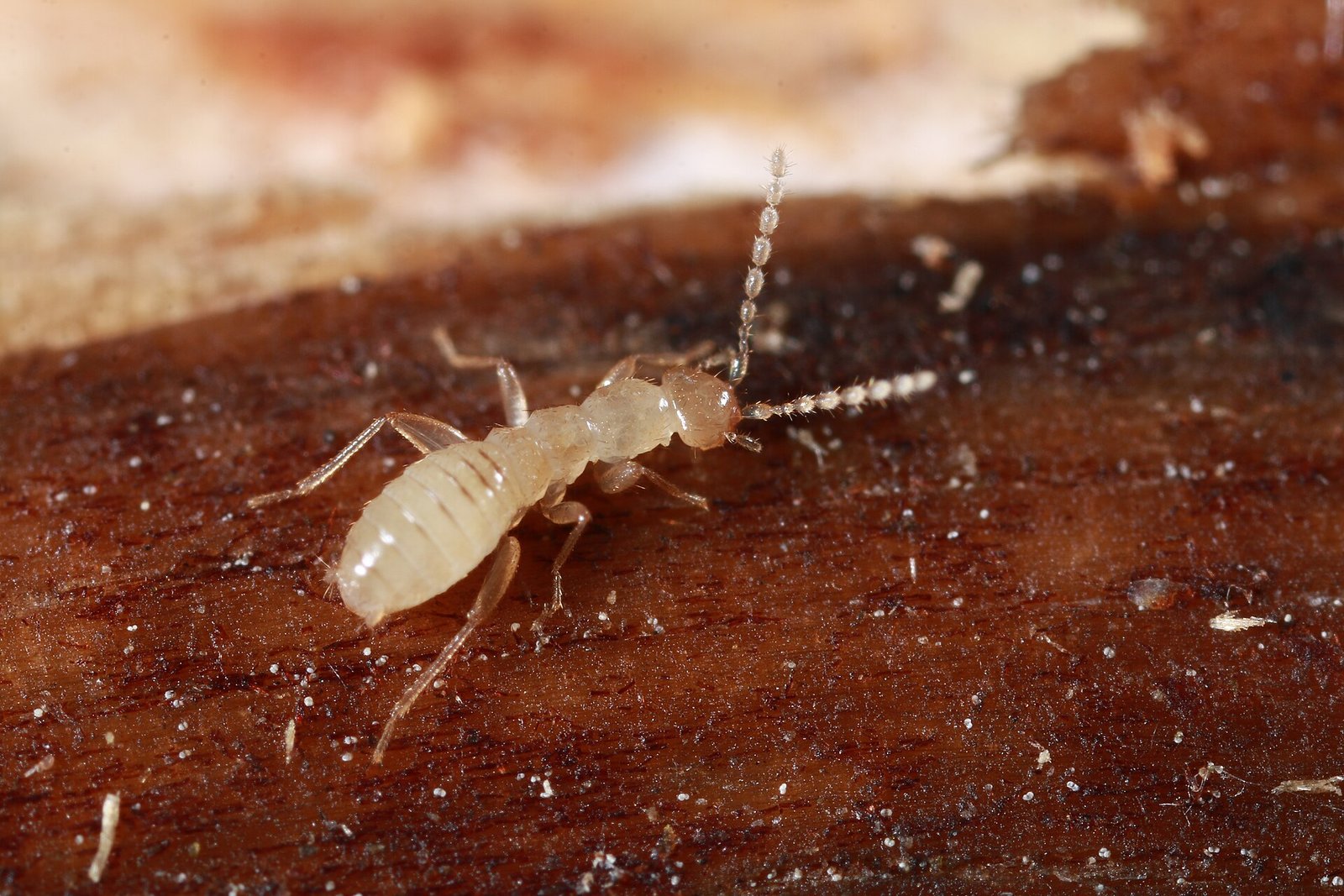 Angal insect Attribution-ShareAlike 4.0 International CC BY-SA 4.0 Deed
  ECHO
ECHO