Insect frass improves soil health and protect crops
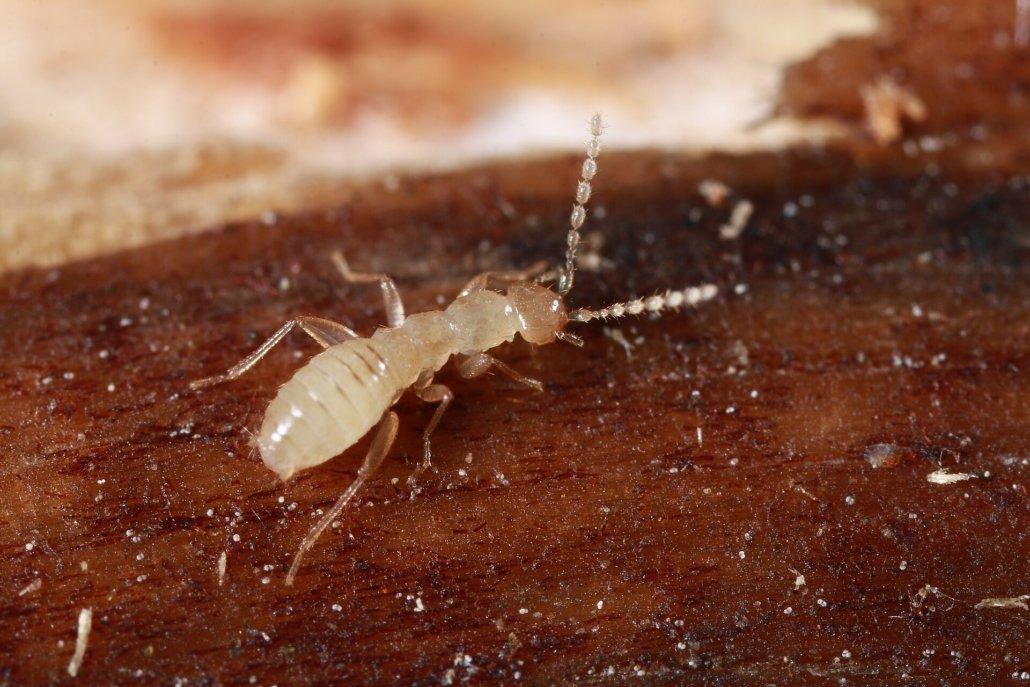 Angal insect Attribution-ShareAlike 4.0 International CC BY-SA 4.0 Deed
 An American study shows how insect frass can increase nutrient efficiency and reduce pest damage in crops, contributing to a more sustainable circular agriculture
by Matteo Cavallito
Composed of excrement, shed skin, and food residues, insect frass—that is, the collection of their biological remains—is a byproduct becoming increasingly available due to the growth of insect farming. This phenomenon, in turn, is linked to the expansion of food production, which entails a growing demand for animal feed, pet food, and new protein-rich foods intended for human consumption as well. At the same time, however, frass is now also used as a soil amendment, with particularly promising results.
New research on insect waste
A year ago, for example, a study conducted by scientists from the U.S. Department of Agriculture in collaboration with the University of Arkansas showed that using this kind of waste increased soil fertility, improving microbial activity and the germination of forage crop seeds. Now, the same researchers have conducted a new study identifying similar benefits in other crops such as soybeans and switchgrass, and discovering that the soil amendment is also capable of reducing pest damage.
“For every 1 pound of insect meal, you get up to four times more frass, so the question came up whether it could be used as a soil amendment,” explained Helen Amorim, lead author of the study and a researcher in the Department of Crop, Soil, and Environmental Sciences at the University of Arkansas. Specifically, the study tested the byproduct of the black soldier fly, demonstrating that, as a soil amendment, it works just as well as the more common poultry litter, even when applied in smaller quantities.
Leaf damage can be reduced by 45%
“Frass—the main by-product of insect rearing for animal feed—is emerging as a promising soil amendment and plant growth promoter. However, basic agronomic information is lacking and prevents frass’ widespread use as a biofertilizer,” according to the study conducted in collaboration with Ty-Pro, a joint venture between Tyson Foods and Protix dedicated to developing waste management solutions in the insect farming industry. During the study, the authors applied the traditional soil amendment—chicken litter—and two different doses of insect-derived product to soybean plants and prairie grass (Panicum virgatum, a species of the grass family).
When compared to the control group—which received no treatment—the soybean plants that had received a high dose of frass showed a maximum increase of 13% in the concentration of a key element such as phosphorus.
Switchgrass, on the other hand, showed a 25% increase in potassium levels. But the real breakthrough, it was said, lies in its greater resistance to pests: high application rate of frass (11.2 tons per hectare), the study notes, “reduced damage to soybean leaves by between 35% and 48% relative to the non-irrigated control group and poultry litter-irrigated plots, illustrating for the first time frass’ potential to enhance plant resistance to herbivory, likely owing to the presence of chitin.”
Greater nutrient efficiency
The study, published in the Journal of Environmental Quality* thus provides the first field-based demonstration of the ability of insect frass to enhance plant resilience. But that’s not all: the study also showed that even a low dose of soil amendment (in this case, 5.6 tons per hectare) resulted in “a 2–4 times greater nutrient use efficiency than high frass rate (11.2 tons) and poultry litter in organic soybean and switchgrass systems, reflective of similar yields despite lower nutrient inputs.”
These findings thus reinforce the prospects for the recovery and application of this resource within a circular scheme, contributing to crop health and the development of a rapidly expanding industry.
And, as the scientists emphasize, this is of particular interest today to small farmers, the organic sector, and, to a lesser extent, industrial crops that rely on this type of soil amendment as a growth promoter. Furthermore, the sector continues to prioritize a product that contains more carbon and organic matter than traditional fertilizers, with obvious benefits for overall soil health.
 Sam Beebe, CC BY 2.0
 Photo: Thomas Bjørkan CC BY-SA 3.0
 Re Soil Foundation