Deforestation has made Southeast Asia a net source of carbon
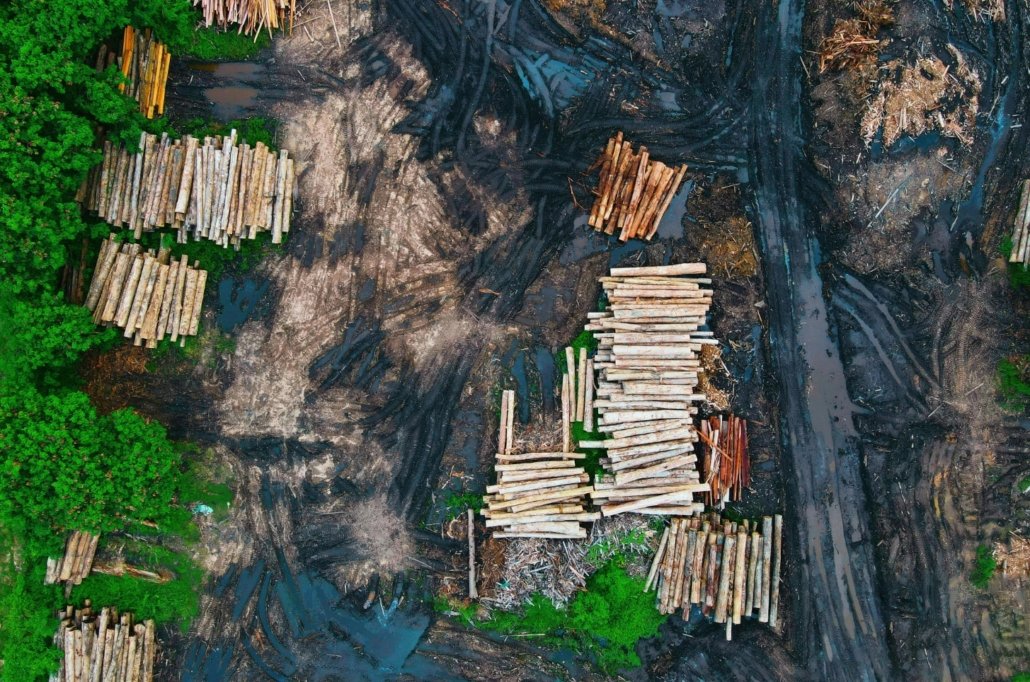 Pok Rie Pexels free to use
 In the first two decades of the century, according to a Japanese study, the forests in the area released more carbon than they stored. Fires, peatland degradation, and fossil fuels are making things worse
by Matteo Cavallito
Southeast Asian countries are still running a carbon deficit due to key factors like fossil fuel use and land use change linked to deforestation. The resulting emissions actually exceed the amount of carbon sequestered by natural ecosystems. In this scenario, climate neutrality in the area remains a distant dream. This is according to a study by Hiroshima University published in the journal Global Biogeochemical Cycle.
The work, which involved a group of researchers from different countries, examined the eleven nations of ASEAN (Association of Southeast Asian Nations), the economic cooperation area founded in 1967, in the first twenty years of the 21st century.
The storage potential of forests is being wasted
”Member countries of the Association of Southeast Asian Nations ratified the Paris Agreement and have initiated their own efforts to reduce greenhouse gas (GHG) emissions,” the study explains. “However, the progress of these countries toward climate neutrality remains uncertain.” To estimate the overall balance, scientists calculated the total emissions of the main greenhouse gases—carbon dioxide, methane, and nitrous oxide—in the region between 2000 and 2019.
“Our study revealed that Southeast Asia is experiencing the dual challenge of large emissions from deforestation and coal usage, necessitating the implementation of urgent mitigation strategies,” the researchers explain.
The result is a negative balance, despite the region’s potential. “Southeast Asia has some of the most carbon-rich forests and wetlands in the world, but the region is still adding more greenhouse gases to the atmosphere than it removes,” Masayuki Kondo, professor and co-author of the research, explained in a statement. Among the main reasons, he adds, are deforestation and the dry-up of peatlands.
A negative balance of over 3 billion tons per year for 20 years
In particular, the study found that deforestation and land conversion released more greenhouse gases than any other activity over a two-decade period. In addition to CO₂, the survey specifies that “region’s biosphere was also a net source of methane (CH4) and nitrous oxide (N2O), which, combined with the CO2 budget, makes the Southeast Asian biosphere a net source of GHGs to the atmosphere.” Estimates range between 2 and 2.2 billion tons between 2000 and 2019, depending on the approach used.
In addition fires and fossil fuels had a huge impact. Coal consumption, in particular, increased during the period under review “at a rate that Southeast Asia had never experienced” and its related emissions have exceeded those of oil since 2018. On balance, therefore, “the total GHG budget (the biospheric GHG budget plus the non-biospheric GHG fluxes) was calculated as a net source of 3,2-3,4 billion tons per year for 2000–2019.”
Carbon monitoring is necessary
Southeast Asia is a region inhabited by nearly 700 million people, with a GDP that has been growing strongly for years, whose nominal value is around $4 trillion. To achieve climate neutrality, the authors explain, the region “must develop effective mitigation strategies to manage GHG emissions from land-use changes and coal usage.” But there’s more.
The study found that some areas of the region still lack greenhouse gas monitoring systems, making it difficult to provide accurate estimates of the phenomenon.
To achieve mitigation targets, therefore, it’s essential to create additional measurement sites, but also to adopt better models and make policy decisions closely linked to scientific data. The researchers conclude that this goal can also be achieved with the help of LeXtra, or League of geophysical research eXcellences for tropical Asia, a new international network recently established by the researchers to strengthen data collection, improve study models, and support data sharing throughout Southeast Asia.
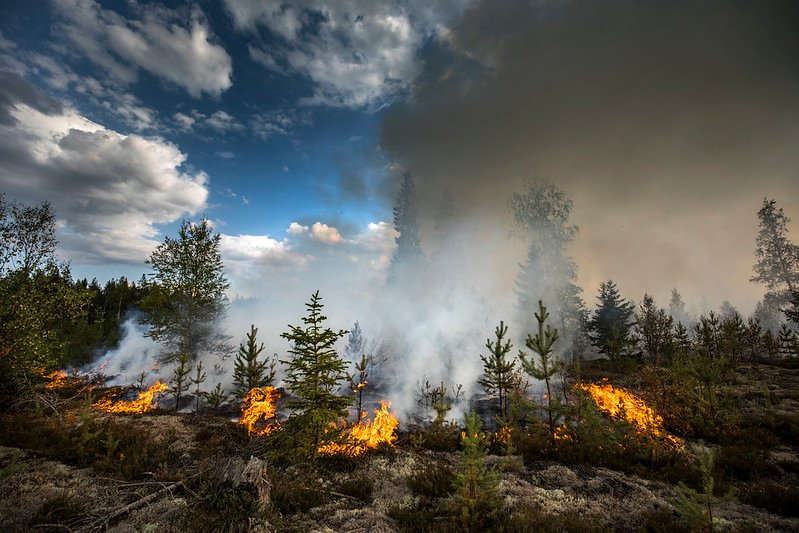 © European Union 2018 (photo by Pavel Koubek), CC BY-NC-ND 2.0
 Penn State. Attribution-NonCommercial-NoDerivatives 4.0 International, CC BY-NC-ND 4.0 Deed.
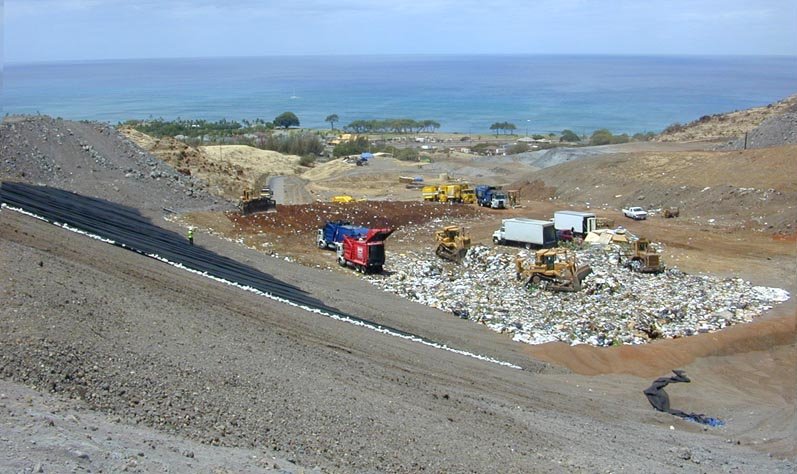 Eric Guinther, CC BY-SA 3.0