Researchers have turned cereal plants into pollution sensors
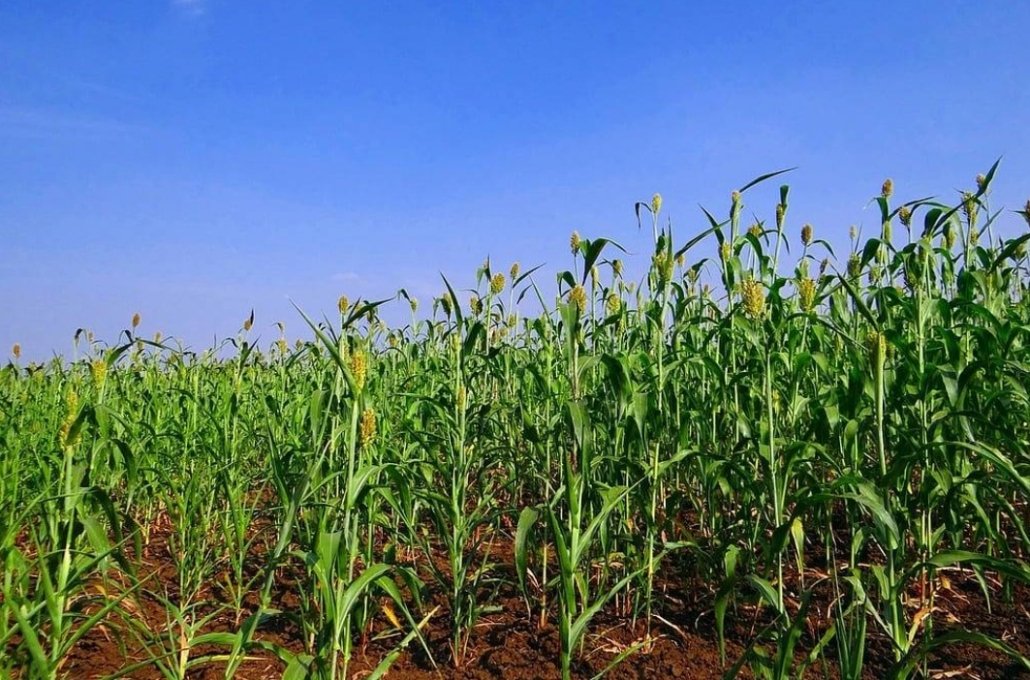 Pixabay Creative Commons CC0 1.0 Universal Public Domain Dedication license
 US researchers have developed a genetic circuit that activates upon the presence of contaminants in cereal crops by inducing grasses to produce a visible pigment
by Matteo Cavallito
Field contamination has always been a major threat to agriculture and, more generally, to the environment. The ability to detect the presence of pollutants is, of course, essential for implementing appropriate remediation strategies. Scientists now believe that a particular category of plants could help achieve this.
This hypothesis is included in a study conducted by a group of researchers from the Donald Danforth Plant Science Center of the University of Florida Gainesville, and the University of Iowa. In particular, the authors have developed innovative tools that allow major cereal crops, such as corn, to be transformed into actual biosensors. These sensors are capable of detecting even minimal amounts of chemicals in the soil.
A response to chemical signals
The research, published in the Plant Biotechnology Journal, describes the engineering of grasses that produce a visible purple pigment, anthocyanin, in response to specific chemical signals. When combined with advanced imaging and analysis systems, the scientists note, these plants can signal even extremely low levels of exposure to chemicals. In addition to pollution or adverse conditions that can affect crop and human health.
“Plant synthetic biology holds great promise for engineering plants to meet future demands. Genetic circuits are being designed, built and tested in plants to demonstrate the proof of concept,” explains the study.
In the study, researchers successfully adapted “a ligand-inducible sensor to activate an endogenous anthocyanin pathway in the C4 monocot model Setaria viridis.” Monocotyledonous herbaceous species are those characterized by the presence of a single embryonic leaf in the seed. This category includes, in particular, the planet’s main cereals such as wheat, barley, rice, and corn.
Plants become sensors
To put it simply, the authors successfully adapted a genetic circuit that activates the anthocyanin pathway in grass plants. A genetic circuit is a set of genes and sequences that can be activated in response to a stimulus. The scientists identified and modified one of these circuits, inserting it into the plant and connecting it to the natural pathway that creates these coloring substances.
In this way, when it detects the presence of a chemical contaminant, the genetic circuit ‘turns on’ and produces a visible purple pigment. It thus ends up functioning as a sensor.
“We identify two transcription factors that can be expressed as a single transcript that are sufficient to induce endogenous anthocyanin production,” the scientists explain. “Applying inducible anthocyanin production coupled with sensitive detection algorithms could enable crop plants to report on the status of field contamination or detect undesirable chemicals impacting agriculture, ushering in an era of agriculture-based sensor systems.”
A key finding for cereal crops
The idea of developing a natural detection system based on plants is not new. However, to date, these techniques have only been developed for dicotyledonous species, i.e., plants that contain two embryonic leaves, such as clover, dandelion, poppy, sunflower, bean, and lettuce. The application of this type of tool to cereal species is therefore an important innovation.
“Grain crops are at the heart of global food security,” said Dmitri Nusinow, researcher and co-author of the study. “Having plants act as sentinels in the field could increase food security and improve the sustainability of agriculture.”
Finally, the scientists developed hyperspectral imaging and discriminative analysis techniques that detect changes in pigmentation remotely and without impact. This demonstrates that they can activate a precise remote detection system for chemical exposure in grasses, allowing crops to actively communicate environmental conditions.
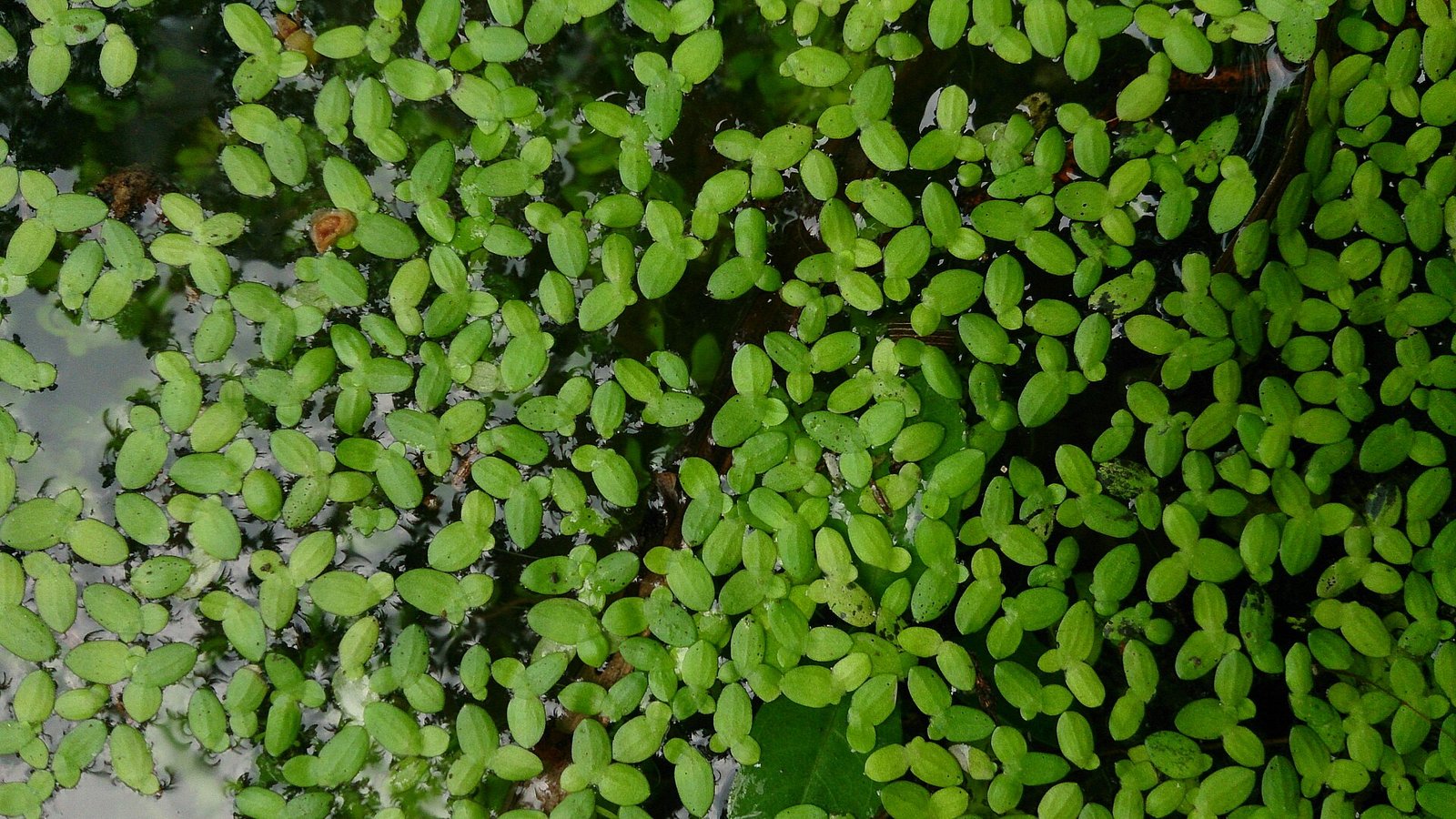 Mokkie/Wikimedia Commons – CC BY-SA 3.0
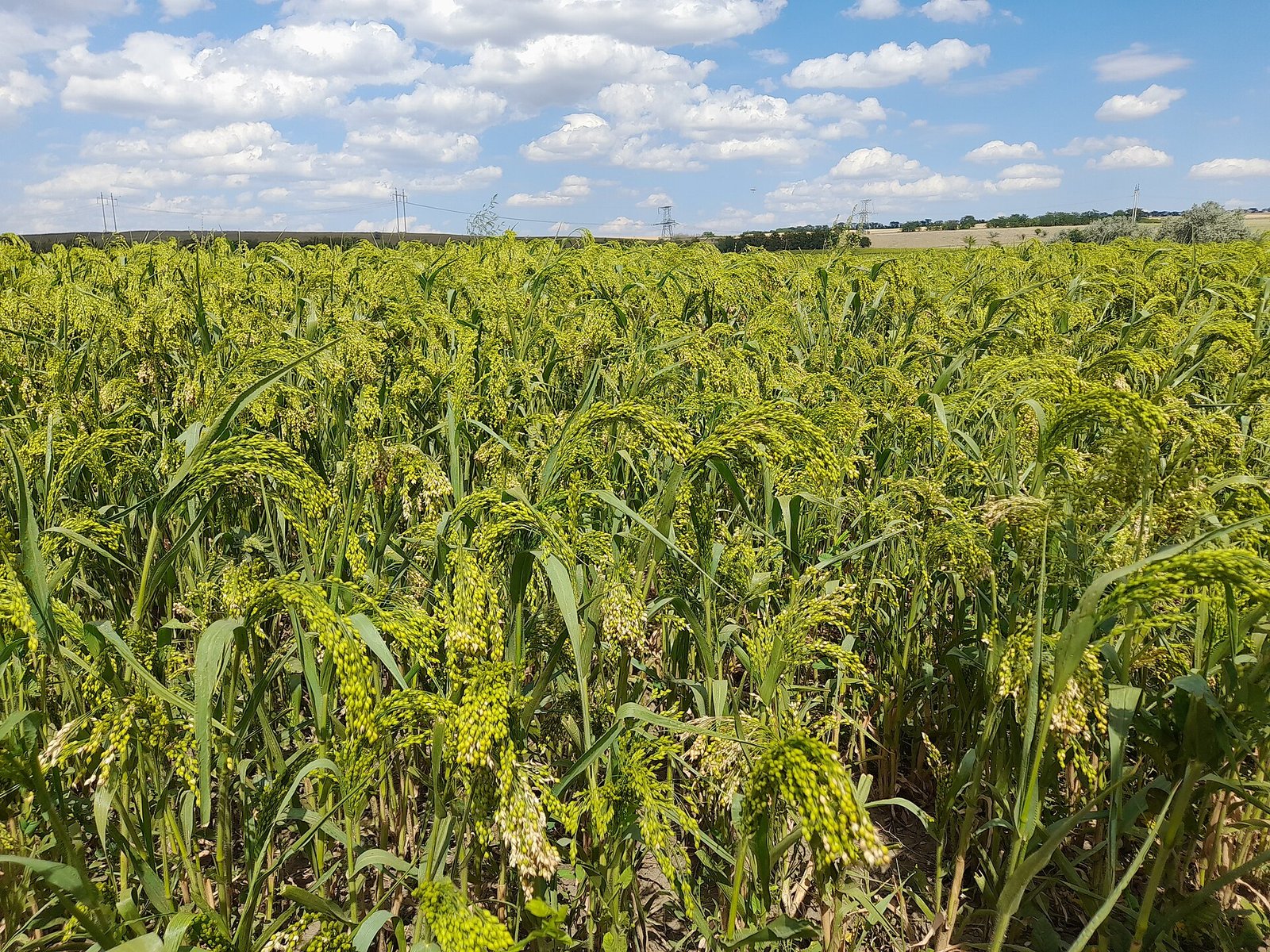 Yuriy Kvach/Wikimedia Commons – CC BY-SA 4.0
 © European Union 2018 (photo by Pavel Koubek), CC BY-NC-ND 2.0