In the Arctic tundra, boreal plants are becoming increasingly widespread due to climate change
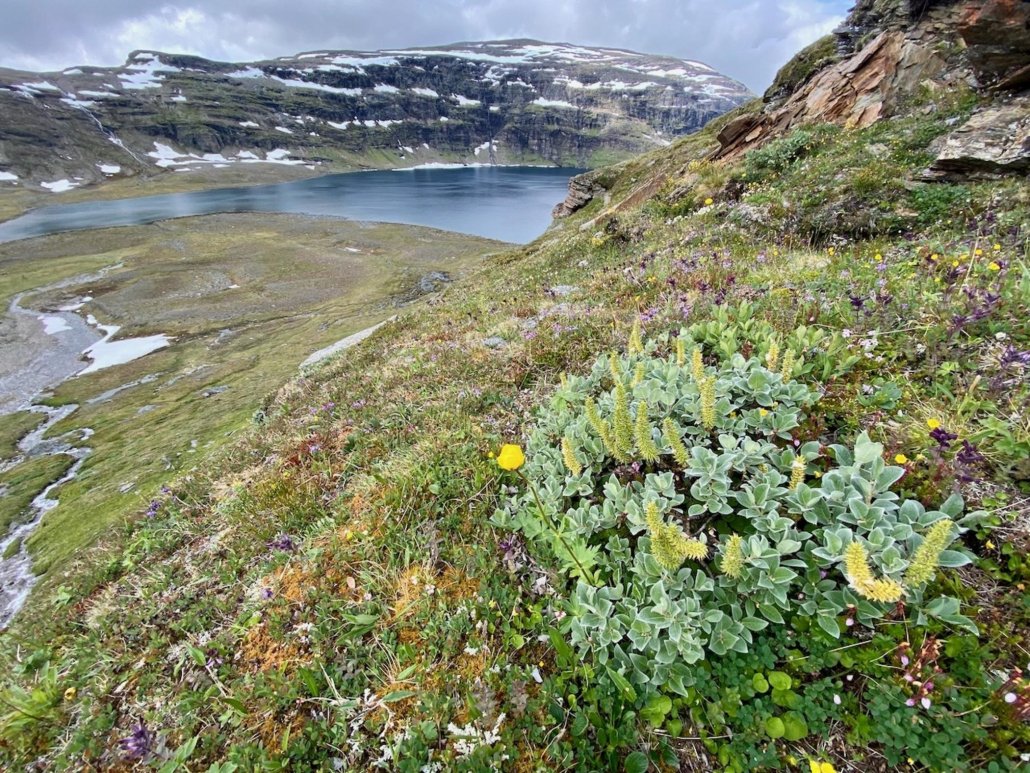 Anne Bjorkman, University of Gothenburg press release
 A Swedish study shows the dynamics of this phenomenon. The process doesn’t necessarily happen where warming is greatest but, instead, where conditions are favorable for plant growth
by Matteo Cavallito
Climate change is rapidly altering the vegetation of the Arctic tundra, contributing to the spread of species typical of nearby forests. This process is widely visible and largely determined by the growing presence of plants already existing in the transition zone between the two environments. The phenomenon, known as borealisation, is particularly widespread in Eurasia and mountainous regions. This is supported by a new large-scale study conducted by researchers at the University of Gothenburg, in Sweden, on over a thousand sampling sites across the Arctic biome.
The research
“Tundra borealisation has been sporadically reported, but not systematically quantified,” the authors explain. “Here, we synthesised data from across 32 study areas, spanning 1137 plots and 287 vascular plant species, resurveyed between 1981 and 2023.” Specifically, the researchers focused on three areas:
- They quantified tundra borealisation as the colonisation and increase in abundance of Boreal and Boreal‐Tundra species;
- assessed biogeographical, climatic and local borealisation drivers;
- identified species contributing to borealisation and their associated traits.
In this way, they discovered that many species of grasses and shrubs that can live in both forests and tundra are gaining ground in the latter. This phenomenon “is strongest near the tree line, in warm and humid places, and in areas with limited climate change, which suggests that borealisation does not necessarily occur where warming is greatest, but where conditions are most favourable for plant establishment,” Anne Bjorkman, a plant ecology researcher at the University of Gothenburg, explains in a statement.
Herbs and shrubs spread more easily
Certain characteristics, according to scientists, allow some plants to spread more successfully than others. Lower boreal species expand more often than taller ones in newly colonized tundra areas. In addition, grasses and shrubs have occupied more areas than herbaceous plants, partly due to more efficient absorption of nutrients in the soil.
These factors contribute to the geographical variability of the phenomenon, which, the study explains, “was greater in Eurasia, closer to the treeline, at higher elevations.”
All this, of course, does not happen without consequences. Lichens, for example, may disappear in the shade of bushes, reducing the food supply for animals such as mountain reindeer, altering their migration routes, and reducing their access to traditional plants. Some animals, such as moose, red foxes, beavers, and forest voles, on the other hand, may spread to new habitats and thus affect ecosystems. But there is more.
Consequences for climate change, ecosystem, and local communities
The authors emphasize that the impact of this process in the tundra can also be evident for climate change. As they expand, shrubs and other tree-like species retain more snow in winter and cover the ground in summer. This phenomenon changes the soil temperature and can accelerate the melting of permafrost. Thus releasing large amounts of carbon that has been trapped for thousands of years and contributing to global warming.
Finally, “these plant community composition changes could have cascading impacts on land‐atmosphere interactions, trophic dynamics and Indigenous and local livelihoods.”
According to Robert Björk, a researcher on Arctic ecosystems at the University of Gothenburg, the current trend, in particular, “could also affect the traditional livelyhoods of the indigenous peoples of the Arctic, who rely on hunting, reindeer herding, and gathering plants as a part of their subsistence and cultural practice.”
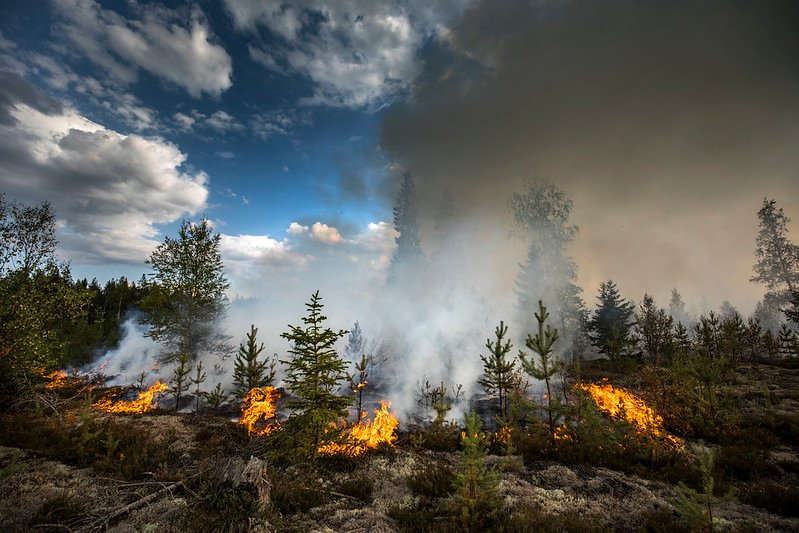 © European Union 2018 (photo by Pavel Koubek), CC BY-NC-ND 2.0
 Penn State. Attribution-NonCommercial-NoDerivatives 4.0 International, CC BY-NC-ND 4.0 Deed.
 Eric Guinther, CC BY-SA 3.0