Three quarters of soils in France contaminated with microplastics
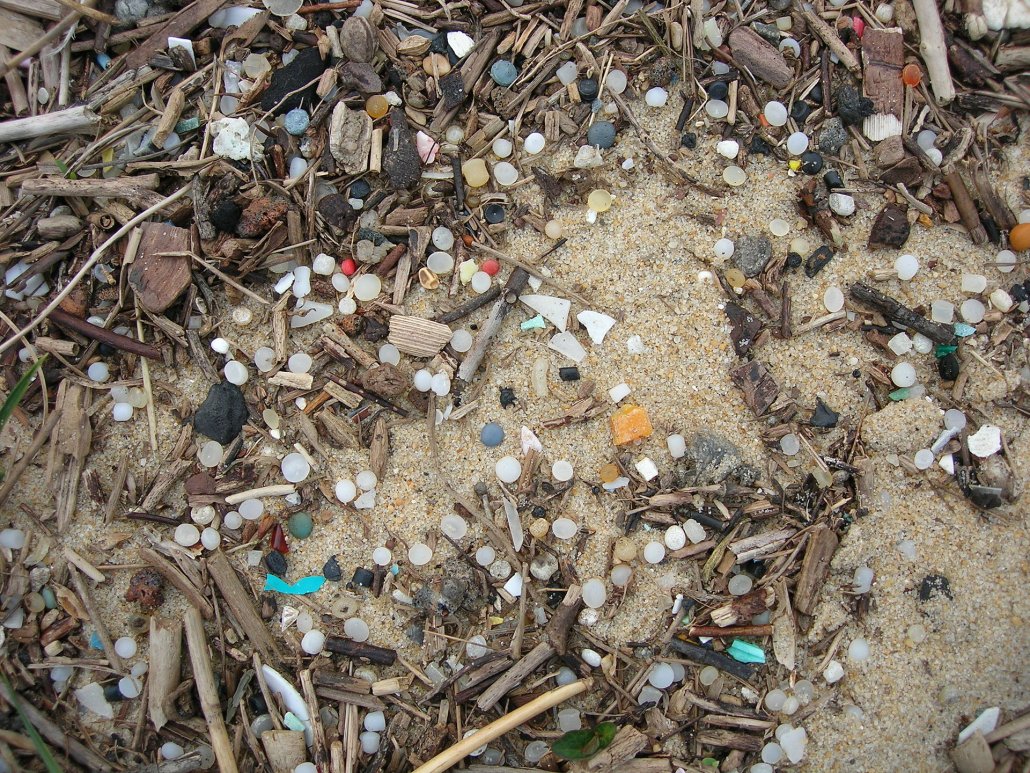 Maldeseine Attribution-ShareAlike 3.0 Unported CC BY-SA 3.0 Deed
 A study by the Agency for Ecological Transition reveals that 76 percent of soils examined contain microplastics between 0.3 and 5 millimeters in size. Polyethylene is the most prevalent polymer.
by Matteo Cavallito
French soils are widely prone to contamination by microplastics, a phenomenon that affects roughly three out of four soils. This is the most significant figure contained in the report released by ADEME (Agence de l’environnement et de la maîtrise de l’énergie), the Paris-based Agency for Ecological Transition. The research looked at different environments and identified a large presence of polyethylene particles, the most common plastic.
About 400 million tons of plastic waste are generated worldwide each year, the authors explain. 3.7 million of this comes from France, 29.5 million from Europe. Most of this waste ends up in the oceans, with an estimated annual contamination of between 4 and 15 million tons. The spread of particles, however, is certainly not limited to aquatic environments.
The phenomenon affects 76 percent of soils
Researchers studied 33 French soils, collecting more than 2,000 samples. The ecosystems analyzed included 21 open field cultivated soils, 4 meadows, 4 among vineyards and orchards, and as many forests. A total of 76 percent of the soils examined were found to be contaminated with microplastics ranging in size from 0.3 to 5 millimeters. In 70% of cases, the particle size is less than 2 millimeters. On average, the analyzed soils contained 15 microplastic particles per kilogram of dry soil.
The results, the authors explain, will need to be confirmed by extending the investigation to more French and foreign soils, urban and non-urban. Although descriptive data were collected during sampling on the specific activities conducted in the different soils examined, the study did not advance hypotheses about the different sources of the microplastics.
Microplastics in agriculture
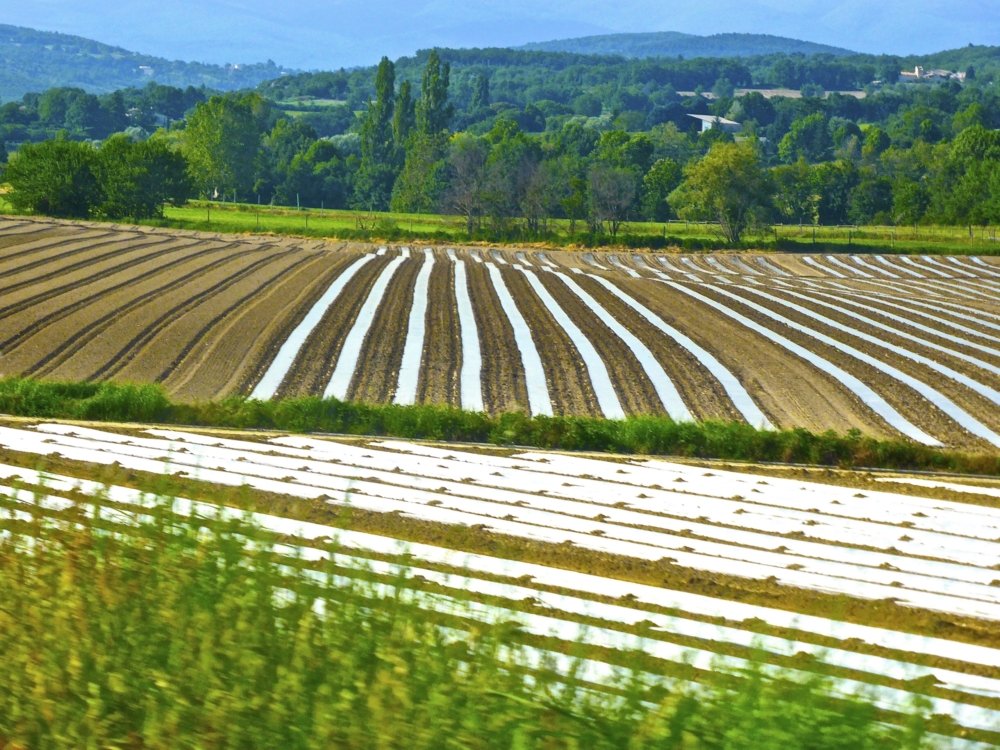
Researchers’ attention is particularly focused on the spread of microplastics in agriculture. A problem linked to several factors, such as the use of non-biodegradable mulch films, but not only. Even organic fertilizers, if produced from inadequately treated raw material, “contribute to the presence of microplastics in soils,” the researchers explain. The scientists, in particular, examined 21 families of organic fertilizers including sludge from wastewater treatment plants, green waste, composting products, digestates, and livestock and agricultural effluents.
The investigation, in total, examined 167 samples. 166 of these contained microplastics.
The most prevalent polymers were polystyrene (PS), polyethylene (PE), polypropylene (PP) and polyethylene terephthalate (PET), all of which are widely used in packaging. Organic matter subjected to mechanical-biological composting was particularly contaminated, with an average contribution of about 60 thousand.microplastic particles per kilogram of dry material.
ADEME’s recommendations
Returning organic matter to the soil is a key factor in the circular economy and agro-ecological transition in the climate change scenario, the authors point out. Indeed, in this way, the need for synthetic fertilizers can be reduced, while also returning carbon and nitrogen to the soil: two essential elements for the protection of the ecosystem and its services including carbon storage, filtration and water retention. In light of all this, for fertilizer production, the French agency recommends decreasing the amounts of plastic by improving sorting at the source.
This therefore requires reducing the use of plastics in packaging and improving separate collection and sorting of compostable waste. The same agency also calls for “exploring the benefits of using biodegradable agricultural mulch films to replace recyclable plastics” by improving the regulatory framework for them.
 Photo: Thomas Bjørkan CC BY-SA 3.0
 Re Soil Foundation