For soil invertebrates, pollution is a worse threat than climate
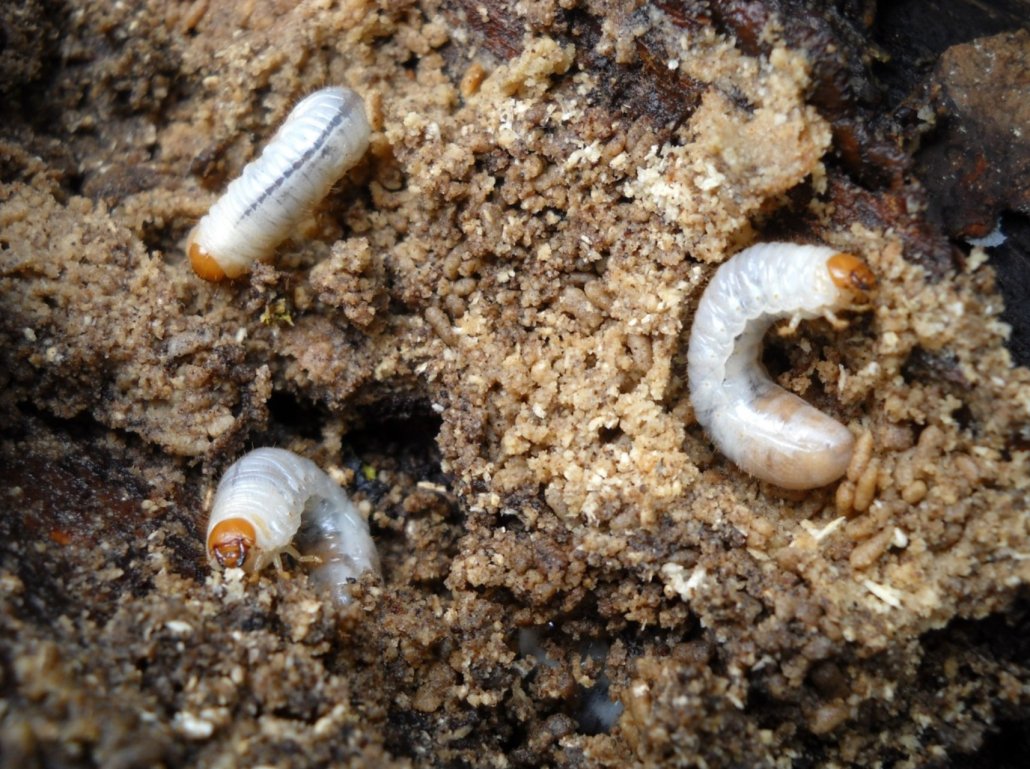 Image: Pxhere CC0 Public Domain Free for personal and commercial use No attribution required
 A meta-analysis of more than 600 studies shows that pollution is the most critical factor for the conservation of soil invertebrate biodiversity
by Matteo Cavallito
Soil pollution impacts the survival of invertebrates more than is thought. With obvious consequences for the ecosystem services performed by these organisms. This is suggested by research by a group of scientists from different countries published in the journal IScience. According to the authors, in particular, contamination phenomena weigh on the resilience of deep-acting species – such as worms, insects and mites – even more than other more ‘visible’ factors.
‘Above ground, land use, climate change and invasive species have the greatest impact on biodiversity, so we assumed that this would be similar below ground,’ explained Victoria Burton, a researcher at the Natural History Museum in London and co-author of the study, quoted by Earth.com. ‘Our results show, however, that this isn’t the case.’
Pollution is the greatest threat to biodiversity
Soil is home to about 60 per cent of the planet’s biodiversity, the authors remind us, identifying the main threats to it is therefore crucial. Many investigations already carried out on the impact of various global phenomena have, however, devoted limited space to soil fauna or, if they have not, have focused on a limited number of the phenomena. To make a broader contribution, the study says, the researchers ‘conducted a broad-scale meta-analysis focused on soil fauna communities, analyzing 3,161 effect sizes from 624 publications studying climate change, land-use intensification, pollution, nutrient enrichment, invasive species and habitat fragmentation.’
The analytical model showed that ‘Land-use intensification resulted in large reductions in soil fauna communities, especially for the larger-bodied groups. Unexpectedly, pollution caused the largest negative impact on soil biodiversity‘. Climate change ‘also had a significant negative effect, while habitat fragmentation, invasive species, and nutrient enrichment did not have a significant effect’
Not only metals and pesticides
In terms of pollution, the authors explain, ‘We found that both metals and pesticides had a strong impact on soil biodiversity.’ The topic is widely known: many studies to date have focused on the role of these two factors. But the risk, the researchers add, is that other pollutants may be underestimated.
‘In general, the impact of pollutants on terrestrial biodiversity is particularly understudied,’ the study continues, and ’although there are several studies on the impact of pollutants on soil biodiversity, there are still large gaps in our knowledge.’
The researchers thus hope that future studies can also address other contaminants such as microplastics and hydrocarbons and how they impact biodiversity change.
Protecting invertebrates and soil
The survey contributes to drawing further attention to the role played by invertebrates in maintaining soil health, but also in providing ecosystem services and participating in the interactions between physical, chemical and biological processes. Essential actions, in short, that make these organisms a true indicator of soil quality itself. In addition, invertebrates are co-responsible for decomposing dead leaves, releasing nutrients and sequestering carbon in the soil.
How, then, can their survival be protected? ‘It’s essential to cultivate practices that support the delicate balance of underground ecosystems,’ the researchers explain.
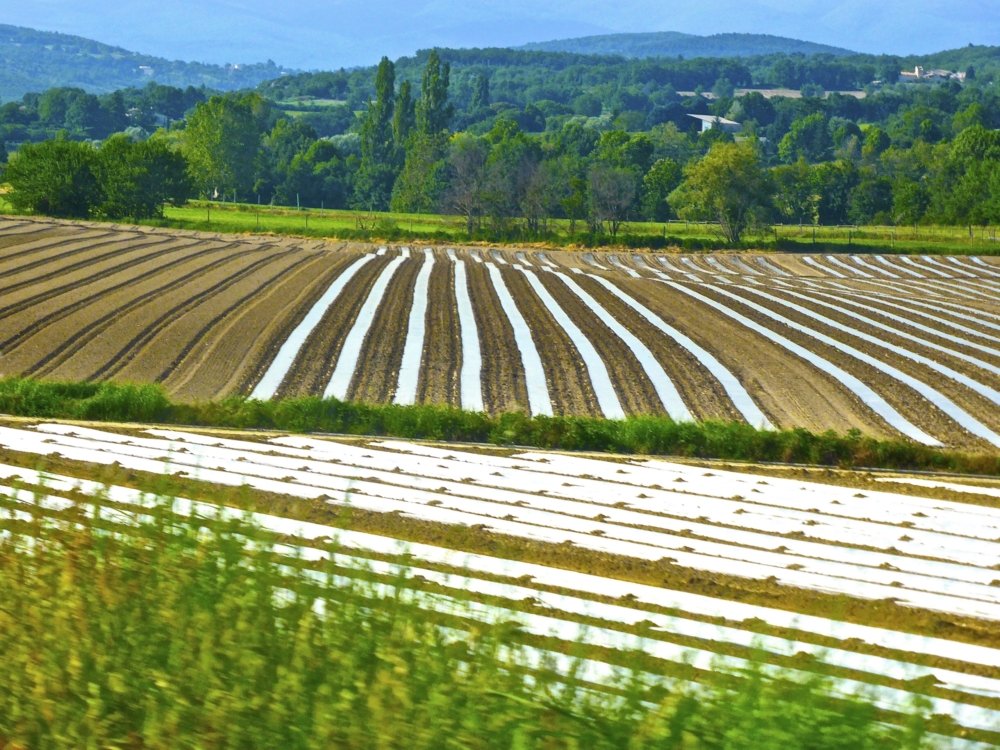
‘One effective approach is adopting crop rotation, which not only enhances soil structure but also disrupts the life cycles of harmful pests and pathogens.’ Moreover, ‘Incorporating cover crops can be invaluable too; these green protectors help prevent soil erosion and enrich the nutrient content, ultimately benefiting our hidden allies.’ Finally, it is important to reduce the use of synthetic pesticides to protect earthworm and insect communities and, with them, the health of the ecosystem above ground.
 Quintin Soloviev, CC BY 4.0