Pesticides in the US are still full of PFAS
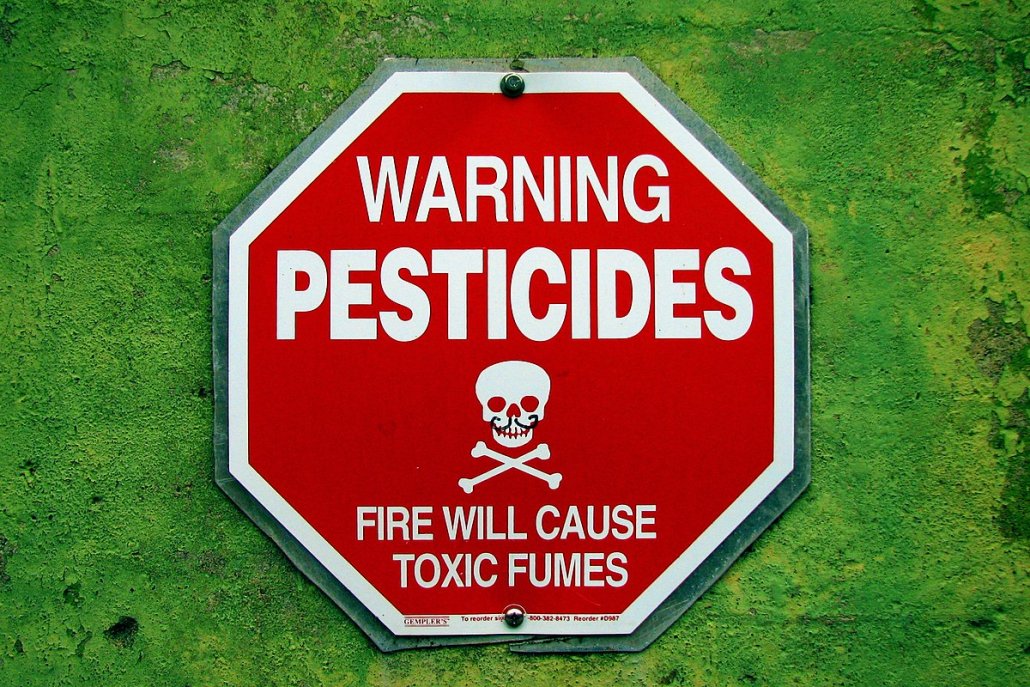 CGP Grey Attribution 2.0 Generic CC BY 2.0 Deed
 The data of the first study on the presence of per- and poly-fluoroalkyl substances in US pesticides. According to two US organisations, 14% of all active ingredients in US pesticides are PFAS
by Matteo Cavallito
Pesticides sold on the US market often contain traces of per- and polyfluoroalkyl substances (PFAS), the compounds also known as forever chemicals, due to their proven persistence, which have long been under criticism because of their impact on the environment and health. This is supported by a study by two different organisations.
The investigation, conducted by researchers at the Center for Biological Diversity in Tucson, Arizona, and their colleagues at Public Employees for Environmental Responsibility, a non-profit organisation in Silver Spring, Maryland, was published in the journal Environmental Health Perspectives.
Harm to the environment and humans
PFAS-based pesticides are particularly effective in combating plant pests, mainly because of their chemical stability, which favours their prolonged action. But it is precisely their resistance that is the main problem in terms of environmental impact: according to experts, the half-life of some fluorinated pesticides – that is, the time it takes for their presence in the environment to be halved after spraying – can be up to two and a half years.
Besides having a very strong impact on the environment, PFAS also damage the biodiversity of ecosystems and beyond. In general, perfluoroalkyl substances are also linked to a number of serious human health problems.
15 thousand different substances under criticism
PFAS have been in the crosshairs of observers for years, but this is the first time, researchers explain, that their presence has been thoroughly investigated in the field of chemicals used in US agriculture. “Pesticides containing PFAS are used throughout the country on staple foods such as corn, wheat, kale, spinach, apples and strawberries,” says a statement from the Center for Biological Diversity. “They are widely used in people’s homes in flea treatments for pets and insect-killing sprays.”
The researchers, the statement continues, identified the active ingredients of pesticides as the main source of PFAS in pesticides.
The study, in particular, identified 66 compounds in this category, plus those used in the production of the containers, for a total of eight substances. Among these is the famous Teflon, which the EPA, the US Environmental Protection Agency, has long been calling for a ban in the pesticide industry. Worldwide, the authors point out, there are more than 15,000 synthetic chemicals that qualify as PFAS.
14% of active ingredients in US pesticides are PFAS
The results of the study are worrying. According to the authors, 14% of all active ingredients in US pesticides can be classified as PFAS. The list includes almost a third of the same active ingredients approved in the last 10 years. Furthermore, up to 30% of the plastic containers used to contain pesticides and fertilisers are made of a fluorinated compound and can release PFAS into the environment through leaching. Under indictment, finally, is the regulatory system.
“U.S. oversight of pesticides does not adequately account for harms from persistent pesticide ingredients, like those that are PFAS,” the authors conclude.
The research findings ideally complement data from a previous study conducted by the New England Water Science Center in the state of New Hampshire. On that occasion, the researchers had selected 100 different sites for specific tests. The analysis had revealed the presence of PFAS in all the soil samples collected.
 © European Union 2018 (photo by Pavel Koubek), CC BY-NC-ND 2.0
 Penn State. Attribution-NonCommercial-NoDerivatives 4.0 International, CC BY-NC-ND 4.0 Deed.
 Eric Guinther, CC BY-SA 3.0