
Mixed forests are more prone to carbon sequestration
 Philippe Semanaz ATTRIBUTION-SHAREALIKE 2.0 GENERIC CC BY-SA 2.0 Deed
 A Chinese study found that mixed forests are able to store a higher amount of carbon due to the greater accumulation of wood debris
by Matteo Cavallito
Mixed forests tend to capture and store more organic carbon in the soil than other woodlands. This is suggested by a study published in the journal Forest Ecosystems. In the research, a team of scientists from Taizhou University, China, analysed the stock and quality of carbon at a depth of one metre in a series of forest areas located in the Wanglang Nature Reserve in Sichuan Province, southeast of the Tibetan Plateau. The list of ecosystems studied includes shrub, deciduous broadleaf, deciduous and coniferous, middle-aged and mature coniferous forests.
Forest successions
The researchers, according to a statement, first looked at forest successions, those processes of biological community replacement within the ecosystem. Such dynamics, the researchers explain, exert “powerful effects on soil organic carbon due to variations in plant community composition, microenvironment, plant debris stock, soil nutrient availability and microbial community composition”
Understanding these mechanisms, in short, is crucial to better explain the details that characterise the global soil carbon cycle and to improve predictive models.
The currently available scientific literature, however, does not provide adequate answers. Studies conducted so far, the researchers explain, focus in fact on the changes that occur in the surface soil during forest succession. But they ignore the observation of the dynamics of carbon stored at depth. The Taizhou University study also tries to make a contribution in this regard.
The study
Investigations conducted in the Wanglang reserve showed that the mixed forest stored the highest amount of carbon due to the greater accumulation of wooden debris. ‘The results showed that soil organic carbon (SOC) stock ranged from 9.8 to 29.9 kg⋅m-2, and exhibited a hump-shaped response pattern across the forest successional series,” the study states. “The highest and lowest SOC stock was observed in the mixed forest and shrub forest, respectively.”
The quality of the element, the study explains, is defined by a low score on the humification index, which measures the ratio between the humified part – the organic matter that has matured after the decomposition of plant remains – and the non-humified part of an organic substance.
According to the survey, the concentration of the element at depth is about 2/3 of that found in the surface part. “The high proportion of SOC stock (66% at depth of 20–100 cm) and better SOC quality (lower HIs) indicate that deep soil have tremendous potential to store SOC and needs more attention under global change.”
The potential of mixed forests
The study once again highlights the potential of mixed forests, a topic that has already been the focus of other studies. These include a recent investigation by a group of researchers from the Chinese Academy of Sciences. The study, published in the journal Plant and Soil, which noted that these particular forest arreas are more resistant to soil acidification, a problematic phenomenon on which several factors can have an impact.
The research was conducted using simulated nitrogen deposition experiments, an essential element for the soil but also one that, if spread in excessive quantities, can produce eutrophication, i.e. the excessive enrichment of nutrients, as well as acidification itself.
The study, carried out in the forests of Liaoning Province in north-eastern China, highlighted in particular how larch and broadleaf forests are less prone to the phenomenon when compared to forests composed solely of the same larch trees. This suggests that the protection of tree biodiversity can therefore be an effective strategy for forest ecosystem management and soil protection.
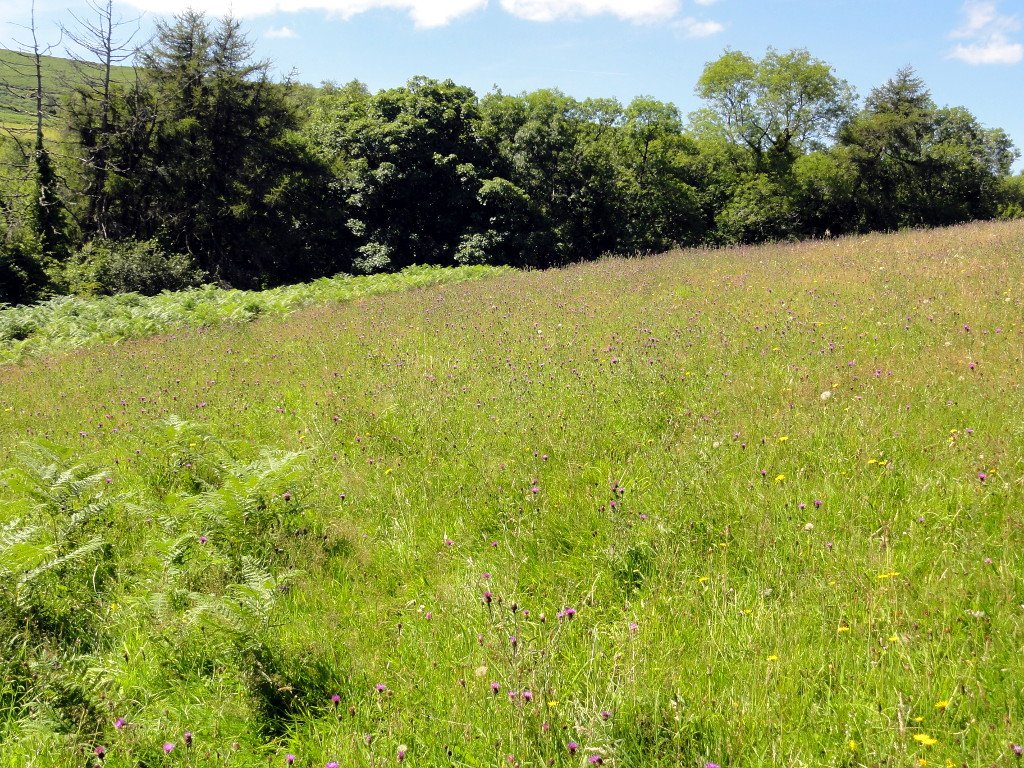 Steve Daniels Attribution-ShareAlike 2.0 Generic CC BY-SA 2.0 Deed
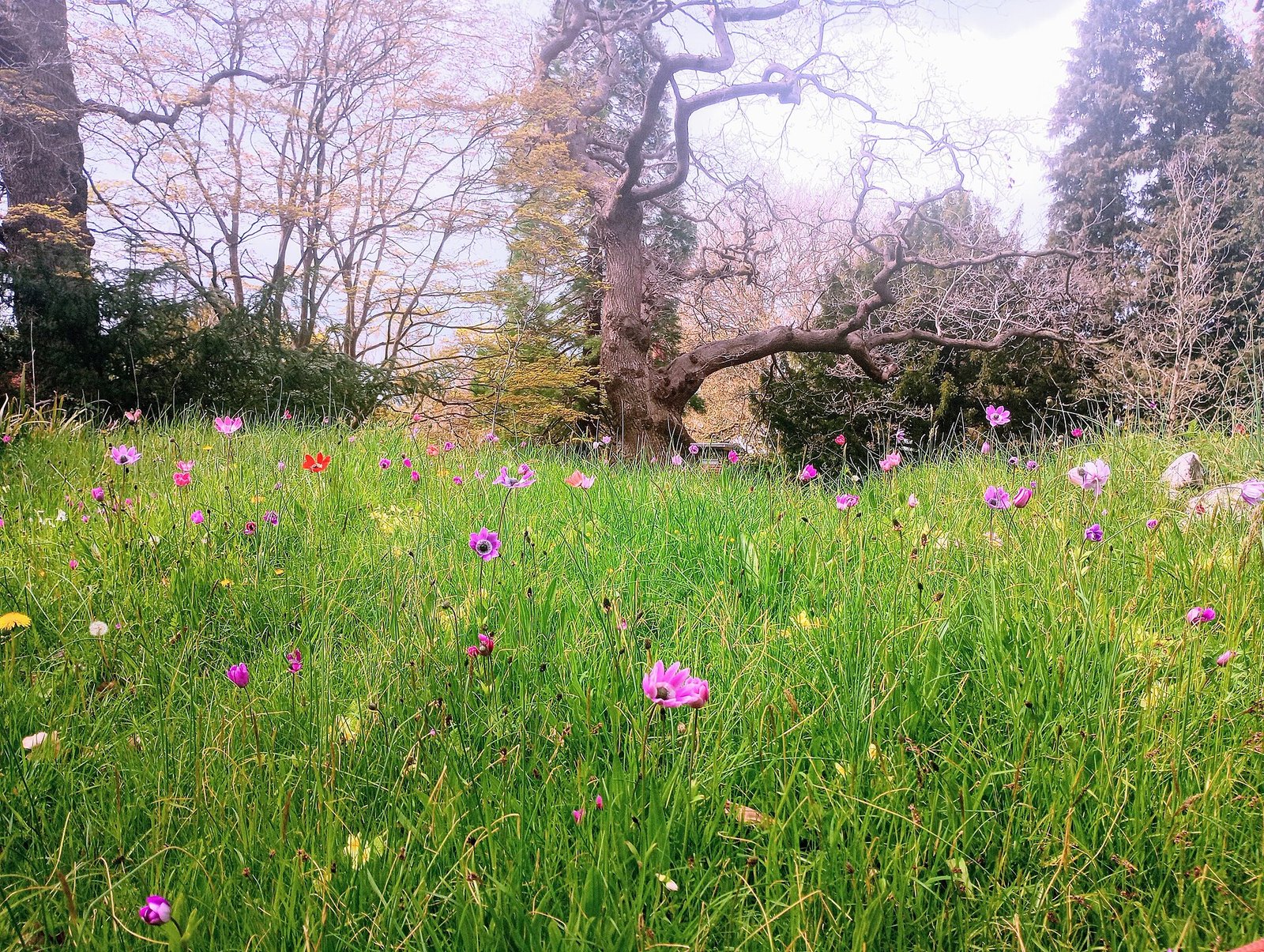 Nathanieljoyce, Creative Commons Attribution-ShareAlike 4.0 (CC BY-SA 4.0)
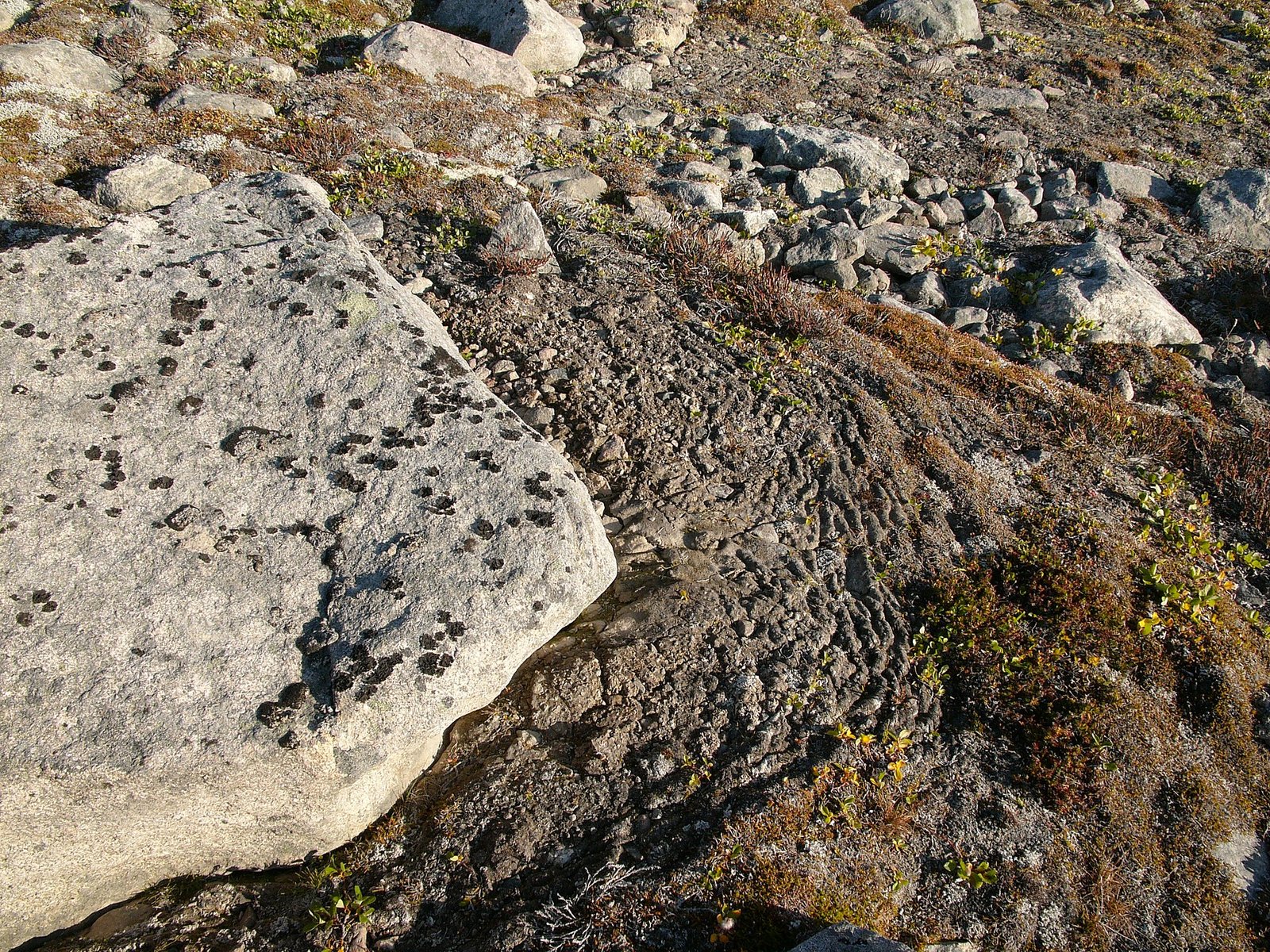 Hannes Grobe Attribution-ShareAlike 2.5 Generic CC BY-SA 2.5 Deed


