American soils are still contaminated with lead
 Joe Mabel ATTRIBUTION-SHAREALIKE 3.0 UNPORTED CC BY-SA 3.0 Deed
 For one in four households, the level of lead exposure exceeds the safety threshold set by the Environmental Protection Agency, an Indiana University study has found
by Matteo Cavallito
About one in four households in the United States live on a plot of land that exceeds the maximum concentration of lead set as a safe limit by the Environmental Protection Agency (EPA). This was reported in a research by Indiana University.
The problem, in total, affects millions of homes built on soils where the abundance of the element exceeds the threshold of 200 parts per million (ppm), a limit recently halved by experts. For households with exposure from multiple sources, the EPA has further lowered the limit to 100 ppm. This level is still exceeded by almost 40 per cent of US households, the study claims.
29 million US households at risk
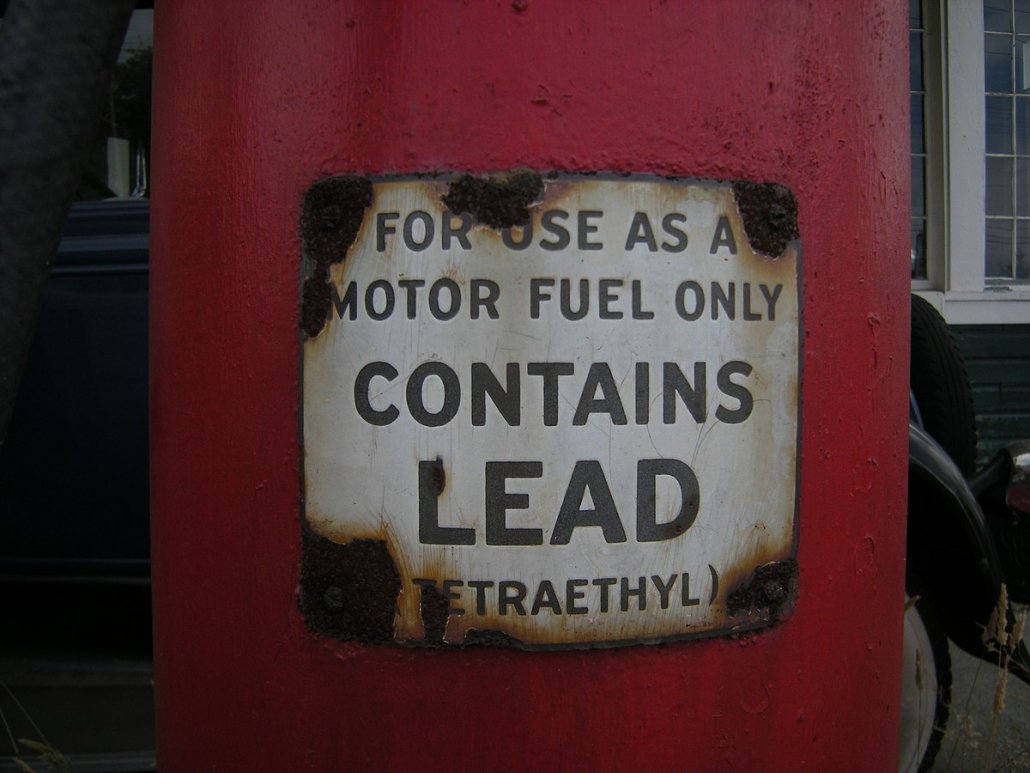
Published in GeoHealth, a journal of the AGU – American Geophysical Union, the survey once again highlights the dangers of lead contamination, a heavy metal that can accumulate in the human body, with toxic effects. This phenomenon, says a statement from the AGU, has historically affected low-income communities that have been more exposed to factors such as ageing water pipes, contact with old paint and petrol residues, and industrial pollution.
Today, the statement continues, most lead exposure comes from contaminated soil and dust, which remains so even after the removal of infrastructure that contained the element.
The study analysed the database of nearly 16,000 US residential soil samples – collected from yards, gardens, alleys and other such spaces – and found that 25 per cent of these exceeded the new 200 ppm level set by the EPA last January. Benchmarking the figure to the entire country brings the total to about 29 million households at risk.
The cost of conventional clean-up? Up to $1.2 trillion
Today, according to the study, there are two remediation practices available. The first is removal – the so-called dig and dump method – which, the authors note, can take years. This is the most intuitive system but also the most expensive: according to the Indiana University researchers, working in this way on all contaminated residential areas nationwide is estimated to cost between $290 and $1.2 trillion.
The authors therefore propose the use of an alternative system: so-called capping, i.e. burying the polluted soil under about one metre of clean soil, possibly separated by a geotechnical fabric barrier.
The fact, they argue, is that lead tends to accumulate mainly ‘in the first 10 or 12 inches (25-30 centimetres, ed.) of soil’. This is why using this method at a depth four times greater would be particularly effective. This technique, the study says, would in fact offer “immediate and potentially life‐changingbenefits for those living in these environments at a fraction of the cost and labor of disruptive conventional soil mitigation.”
The historical legacy of lead
Lead contamination in American soils, therefore, remains an obvious problem mainly related to the unresolved historical legacy of many past practices. Last year, research by Duke University in Durham, North Carolina, reported, for example, how in US cities many urban soils that had hosted waste incineration plants in the past were still contaminated even decades after the operations had been shut down.
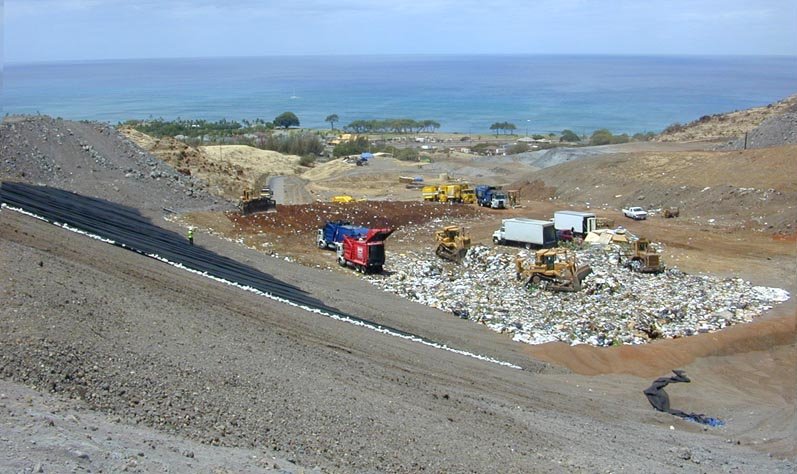
“Engineering surveys of United States and Canadian cities in 1941 and 1958 suggest that half incinerated solid wastes,” the study says. “Many records describe how incinerator ash was dumped with little regard for health or environmental hazards.” These, in particular, were sometimes covered with a thin layer of topsoil. Or even scattered in parks, new construction sites or other urban spaces as soil conditioner. The consequences of this, of course, are still visible today.
 © European Union 2018 (photo by Pavel Koubek), CC BY-NC-ND 2.0
 Penn State. Attribution-NonCommercial-NoDerivatives 4.0 International, CC BY-NC-ND 4.0 Deed.
 Eric Guinther, CC BY-SA 3.0